Chinese black tea offers more range than most people expect. Where many associate black tea with strong, bitter breakfast blends, traditional Chinese black teas emphasize balance, natural sweetness, and the kind of depth that holds up to multiple steepings throughout the day.
Every tea in this collection is certified organic and sourced directly from worker-owned cooperatives in China's traditional tea-growing regions. These aren't mass-market commodity teas—they're whole-leaf varieties selected for quality and flavor, not filler for teabags.
Traditional Black Teas: Wuyuan and Yunnan
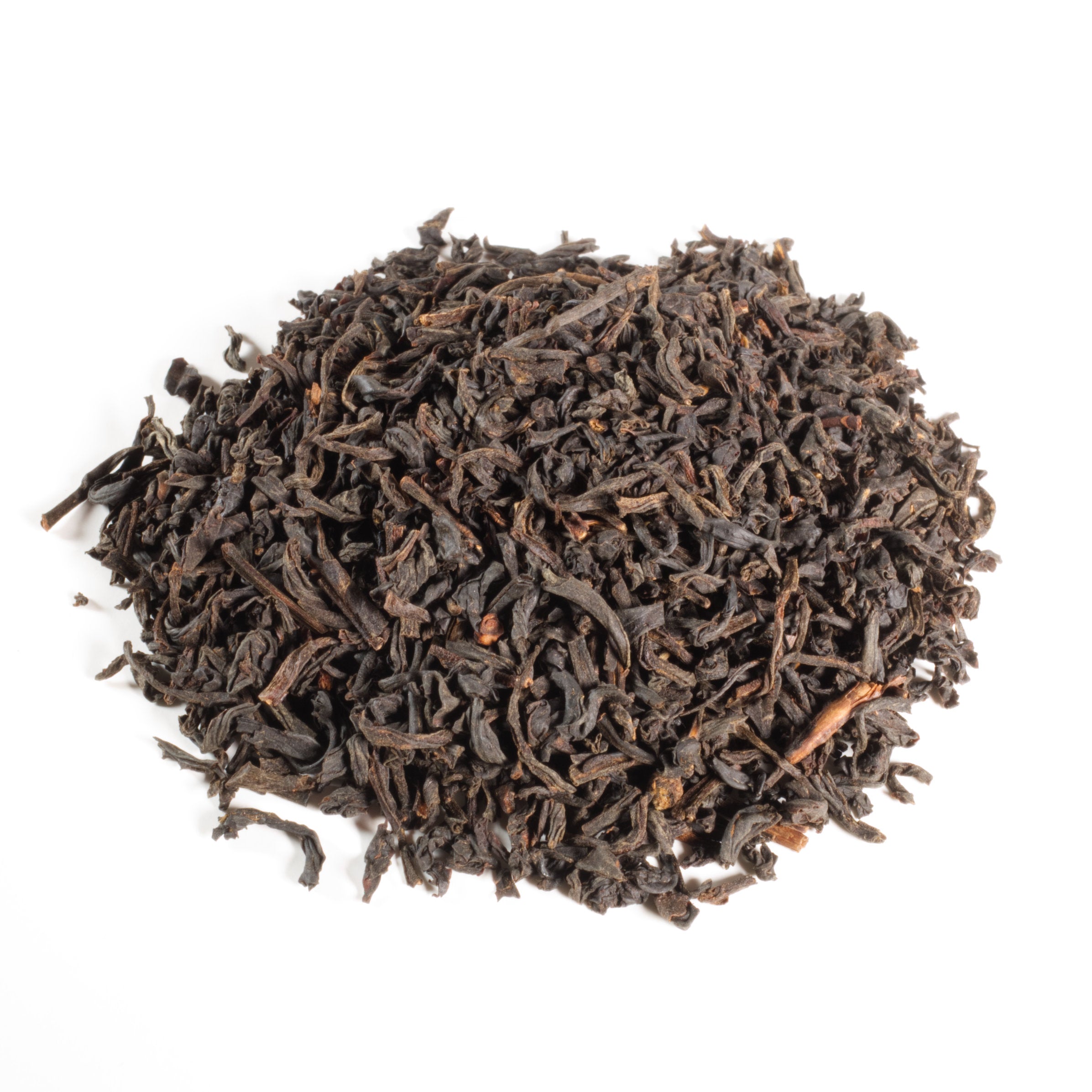
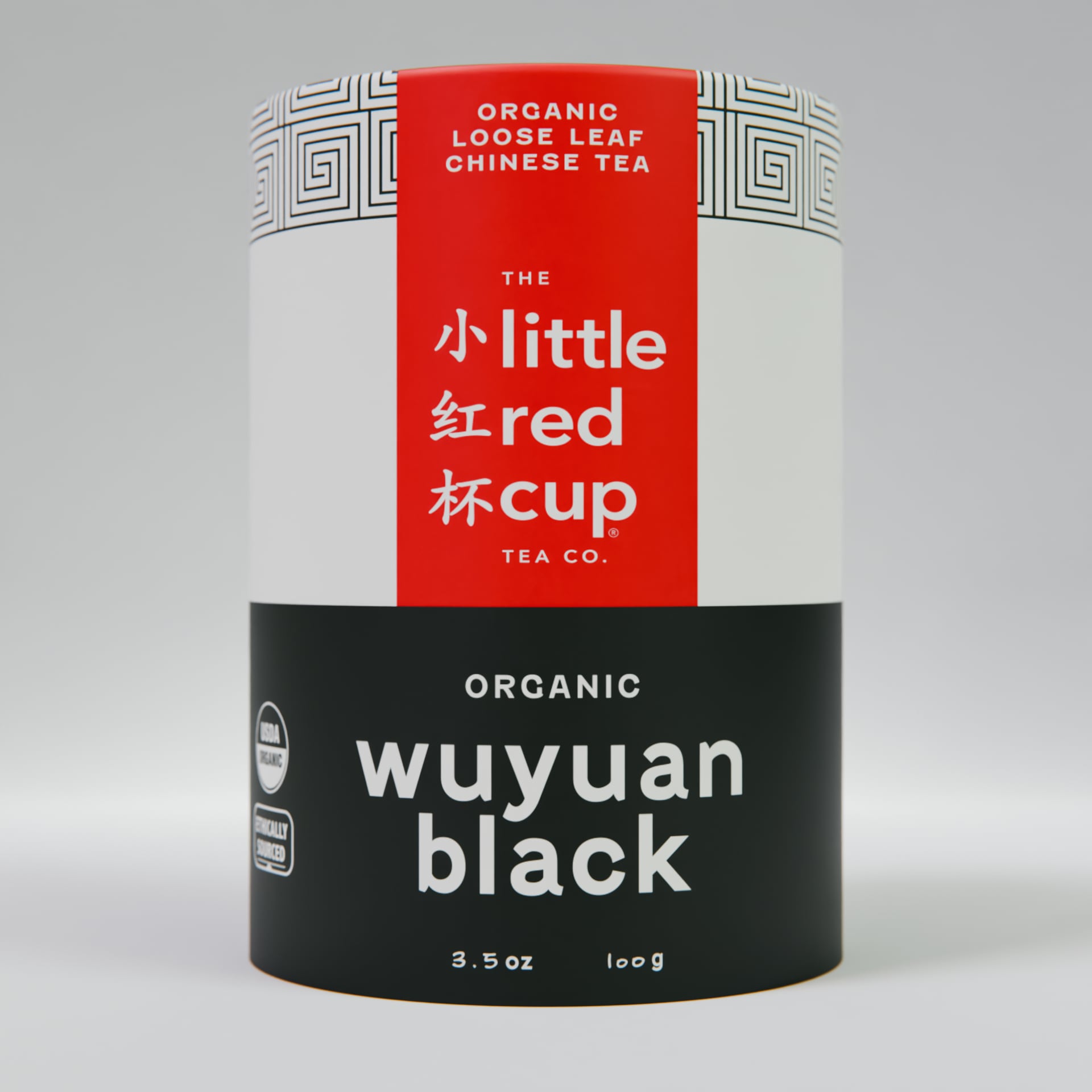
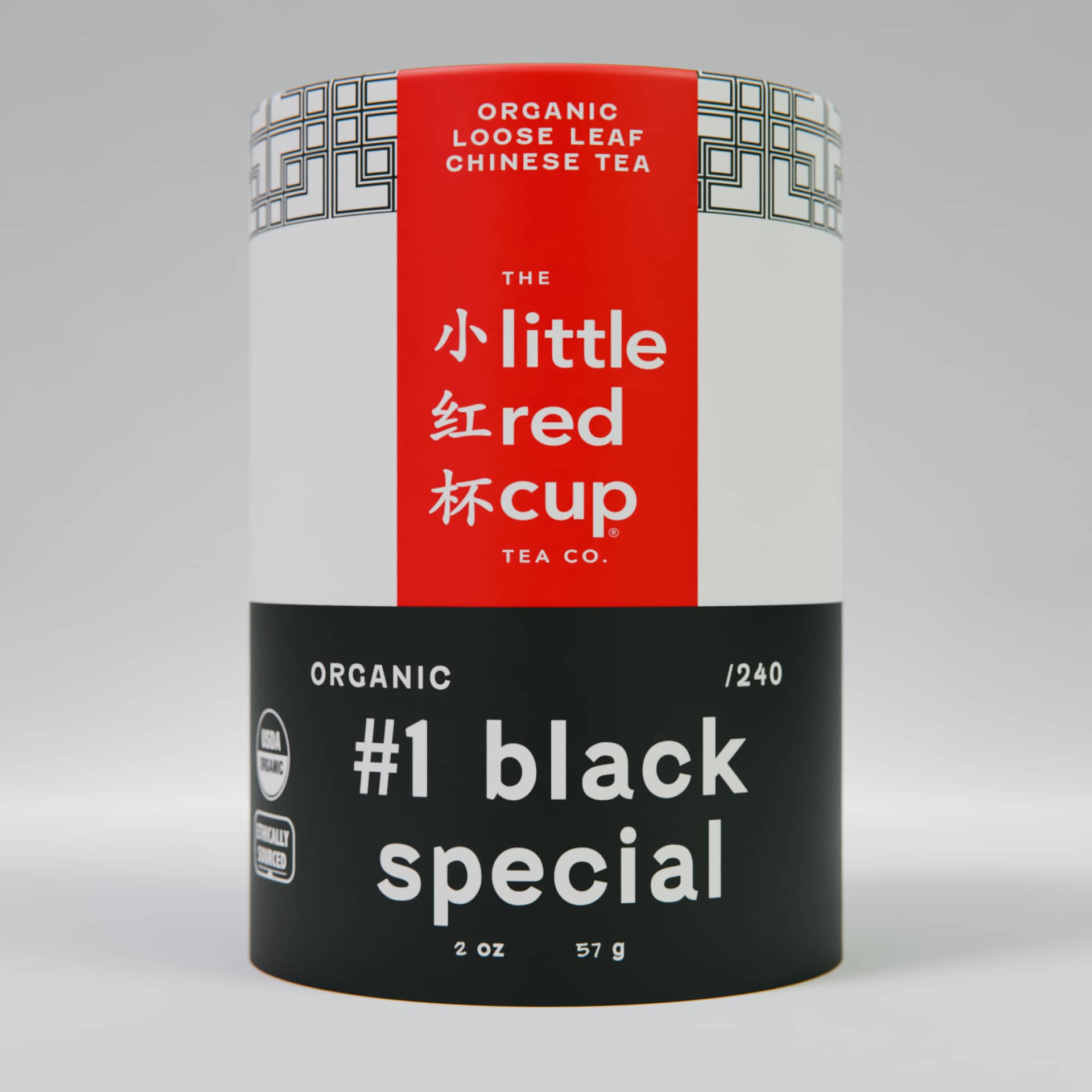
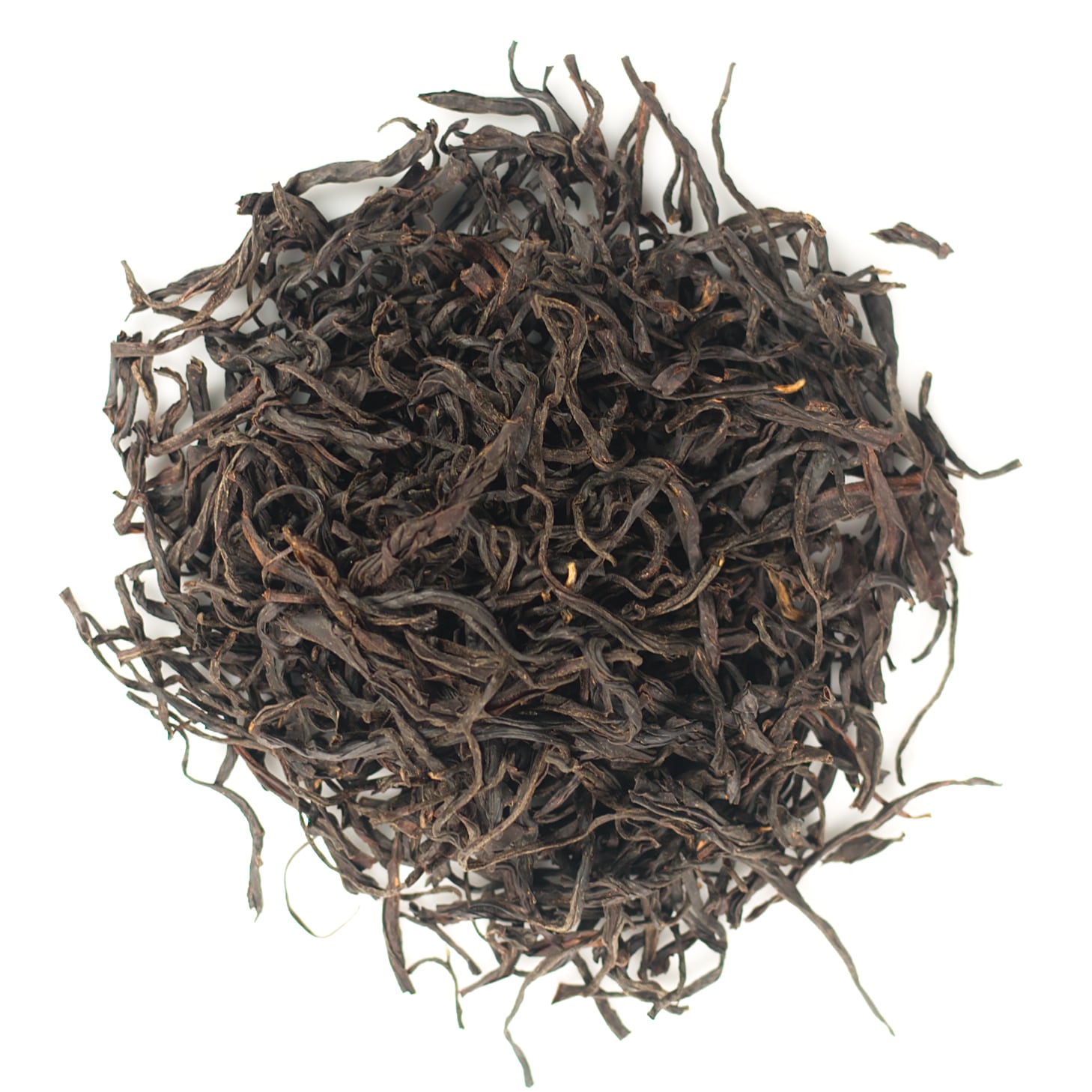
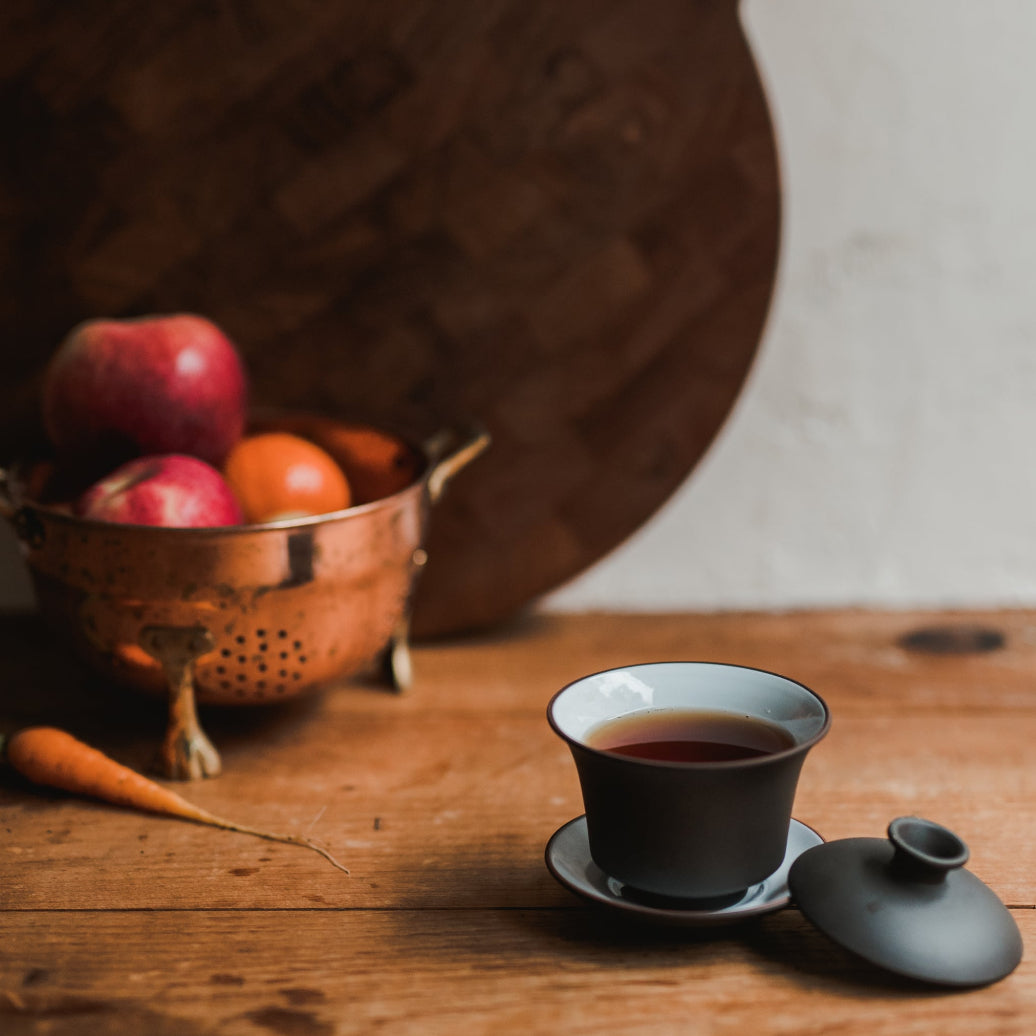
Wuyuan Black is what many consider the benchmark Chinese black tea. Grown in Jiangxi Province, it's technically a Congou-style tea—smooth, malty, with a rosewood-colored brew that works equally well hot or iced. This is the tea that keeps showing up in our own pots, the one we brew when we just want something reliable and good. No bitterness, no tricks, just solid black tea you can drink all day.
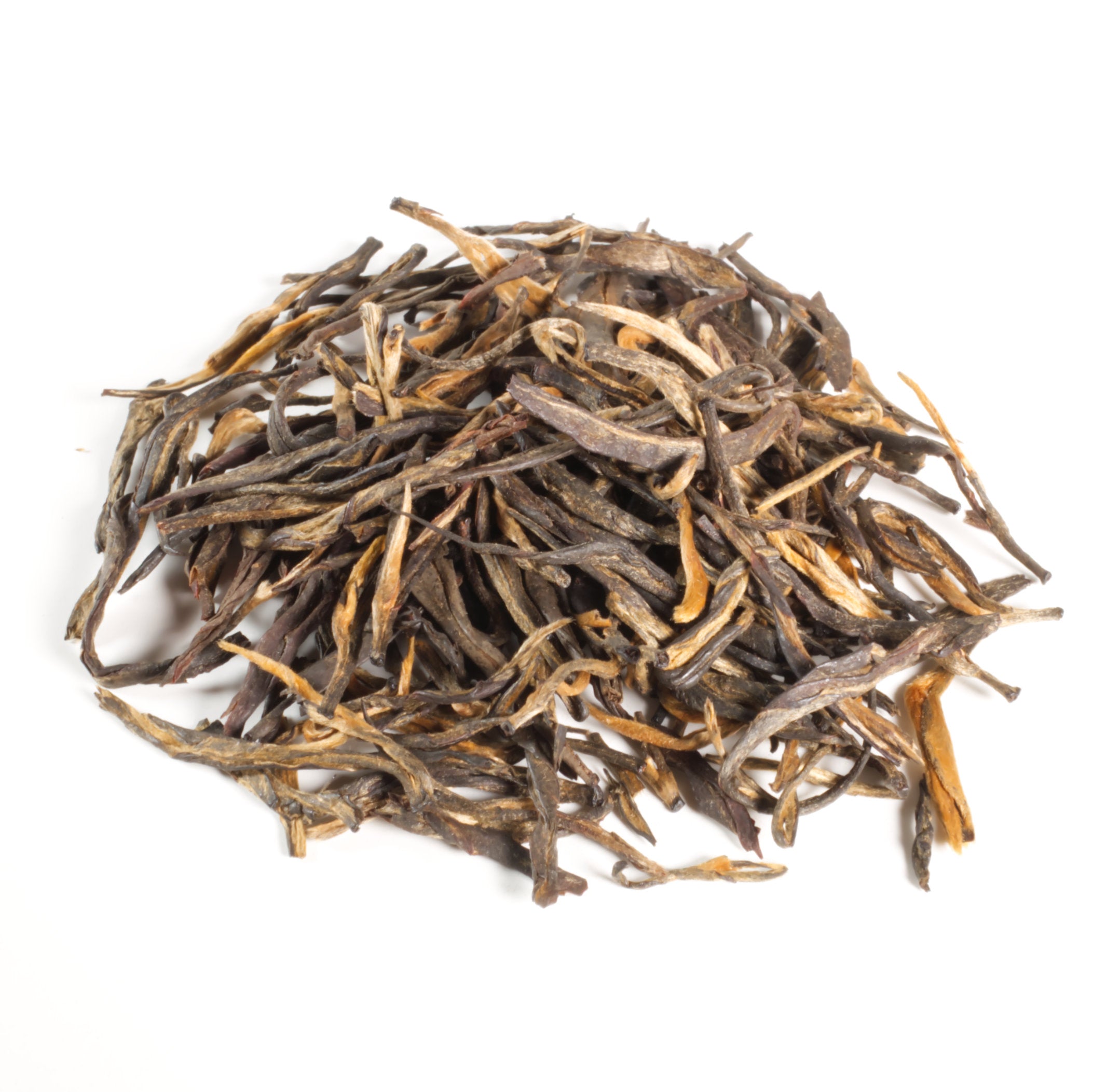
Yunnan Black comes from China's southwestern tea region and brings notes of hay, dried grapes, and a slight maltiness. It's a fuller-bodied tea than Wuyuan but still approachable—the kind of thing that works as a coffee replacement without requiring milk or sugar to make it drinkable.
Sweeter, Lighter Styles: Golden Monkey and Black Snail
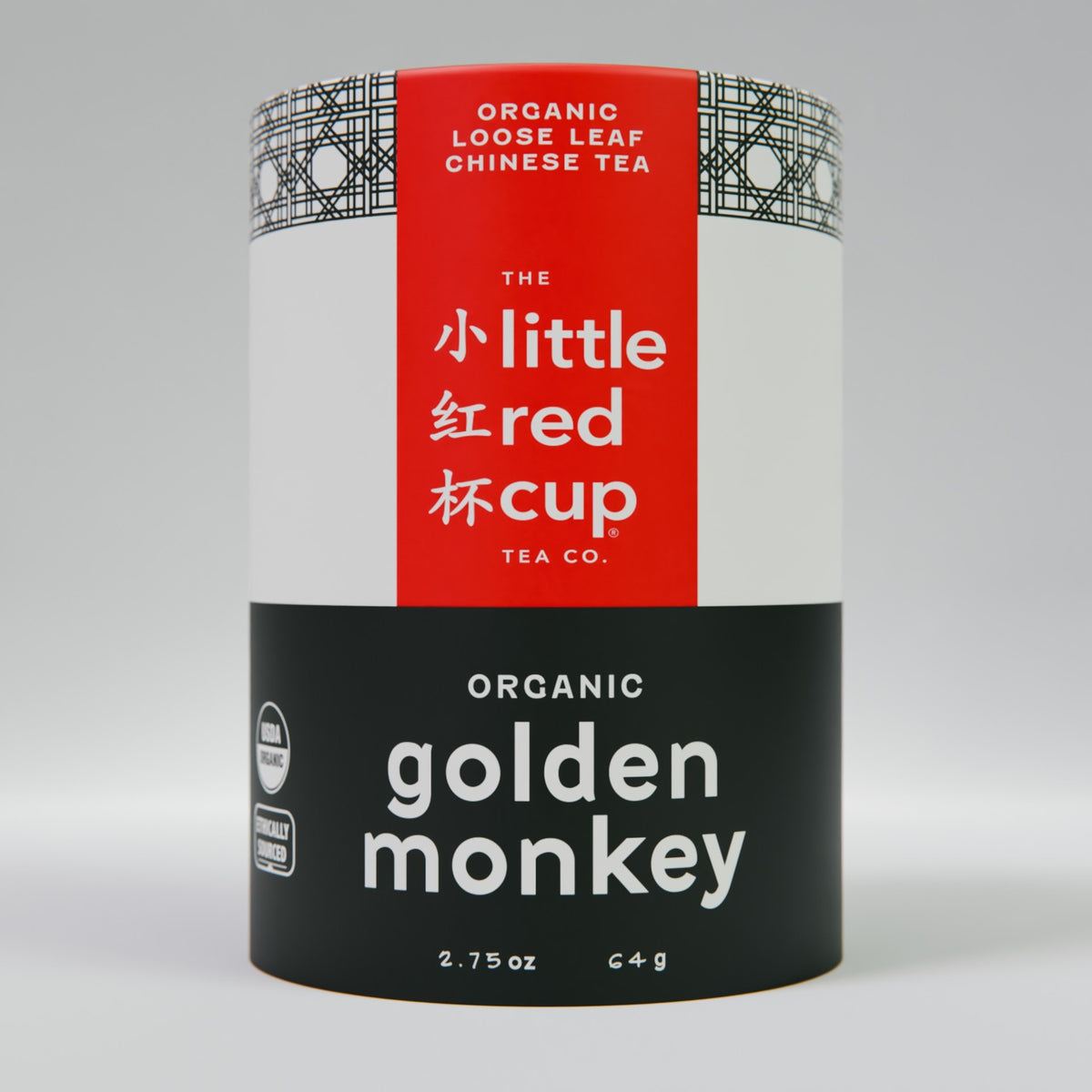
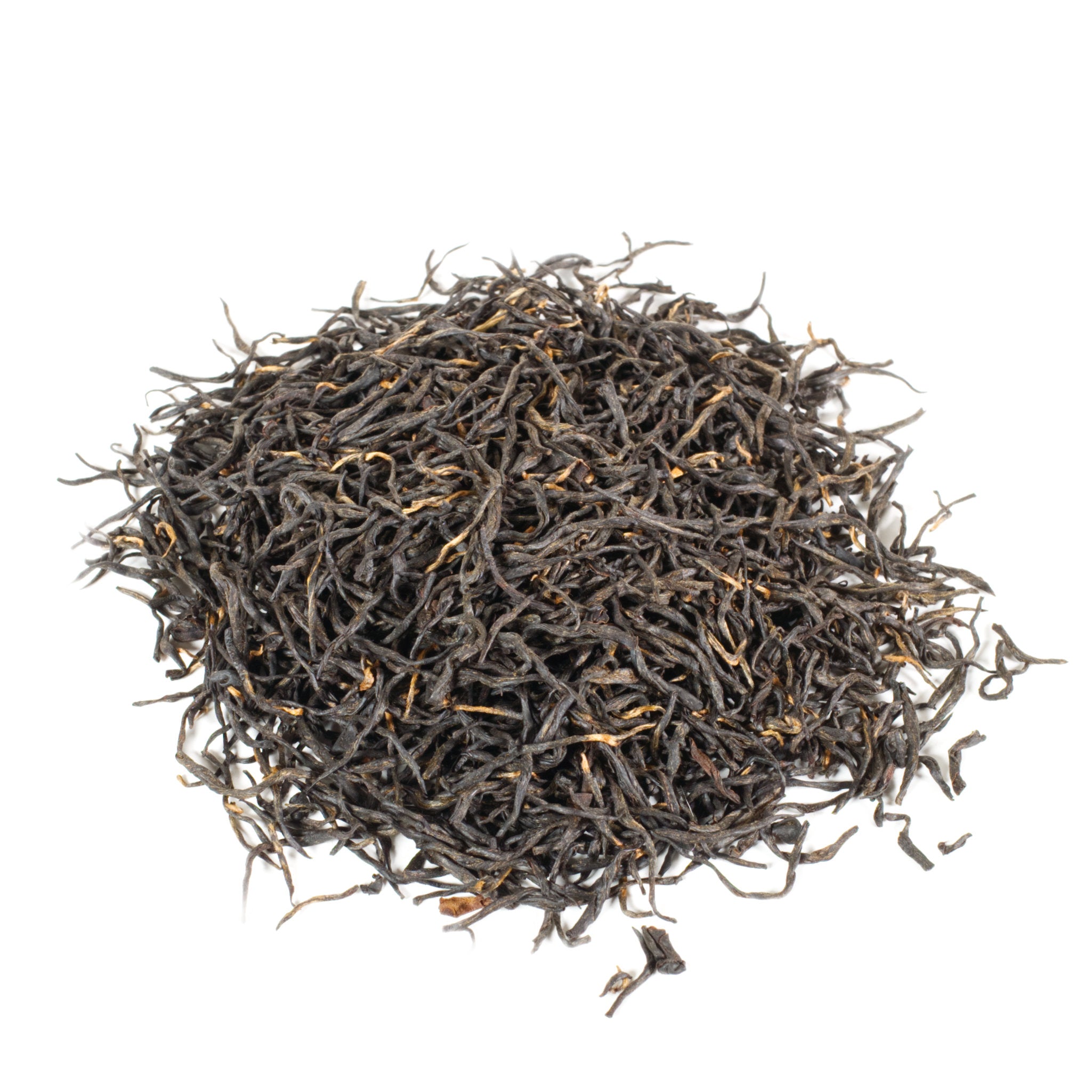
Golden Monkey uses only tea buds and the first leaf, which gives it those distinctive golden tips and a naturally sweet, almost fruity character. It's complex without being fussy—comfort tea that happens to be elegant. Despite being a black tea, it doesn't hit you over the head with tannins. Yunnan Province, like Wuyuan Black, but a completely different profile.
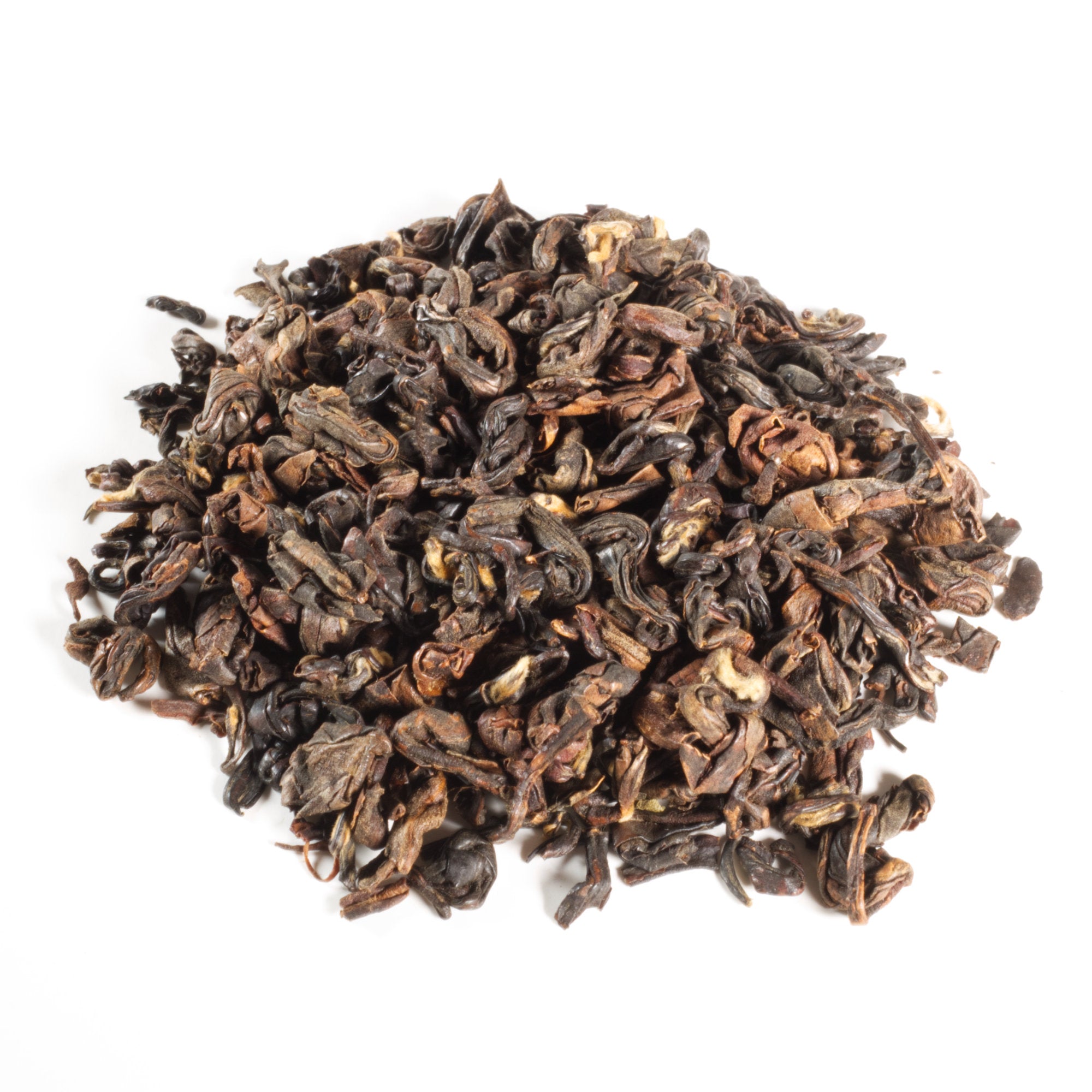
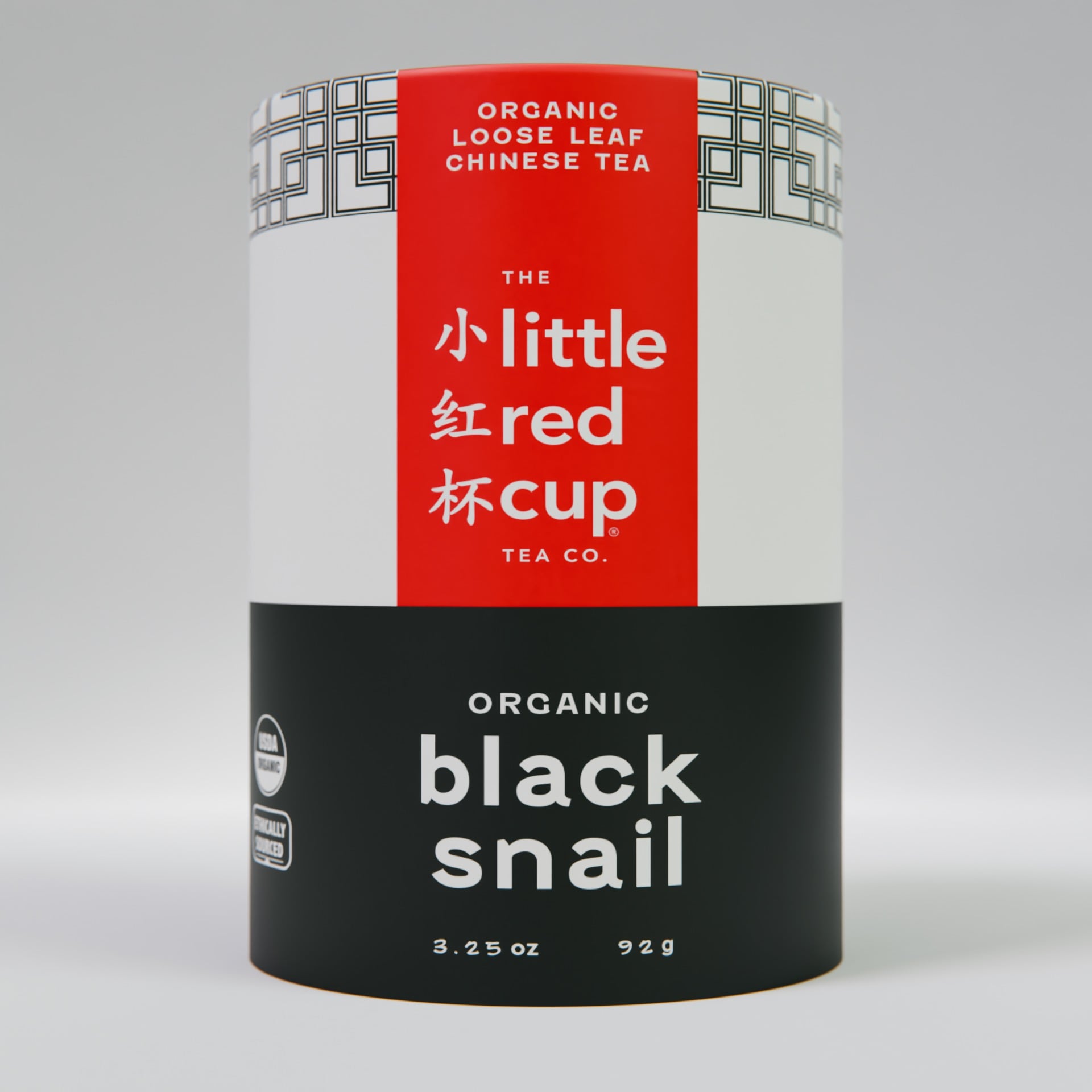
Black Snail gets its name from the twisted, spiral shape of the finished leaves. It's lighter and sweeter than most black teas, with hints of roses and plums that make it particularly good for afternoon drinking. Hunan Province produces this one, and it's the tea to reach for when you want something distinctly black tea but not heavy.
Smoked and Fermented: Lapsang Souchong, Russian Caravan, and Shou Pu'er
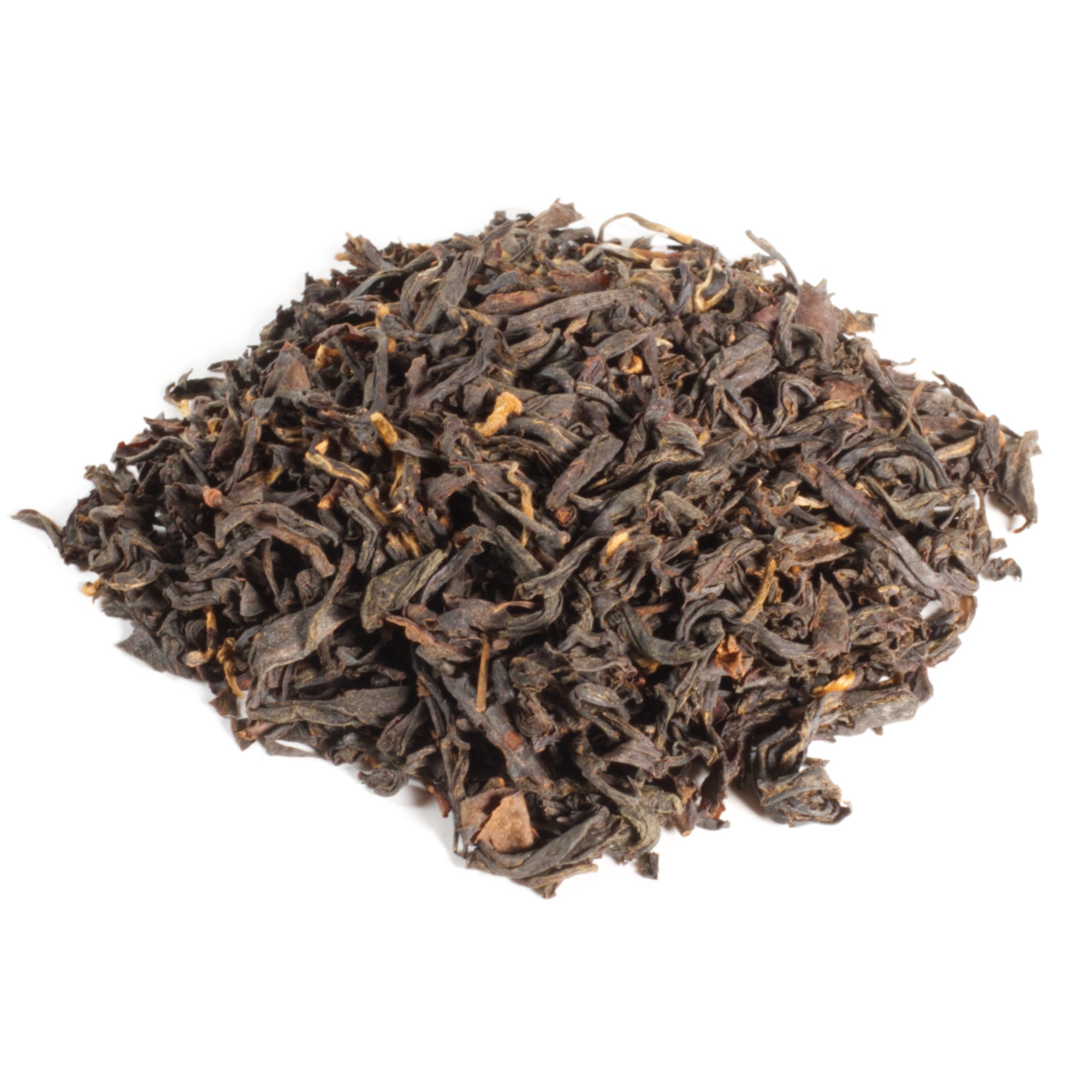
Lapsang Souchong is the campfire tea—pine-smoked over traditional fires in Jiangxi Province until the leaves carry that unmistakable smoky character. This is a love-it-or-hate-it proposition. It's bold, pungent, and absolutely not subtle. If you've ever wondered what "too much smoke" looks like in tea form, this isn't it—but it's close. Pairs well with scotch, smoked salmon, or mornings when you want your tea to announce itself.
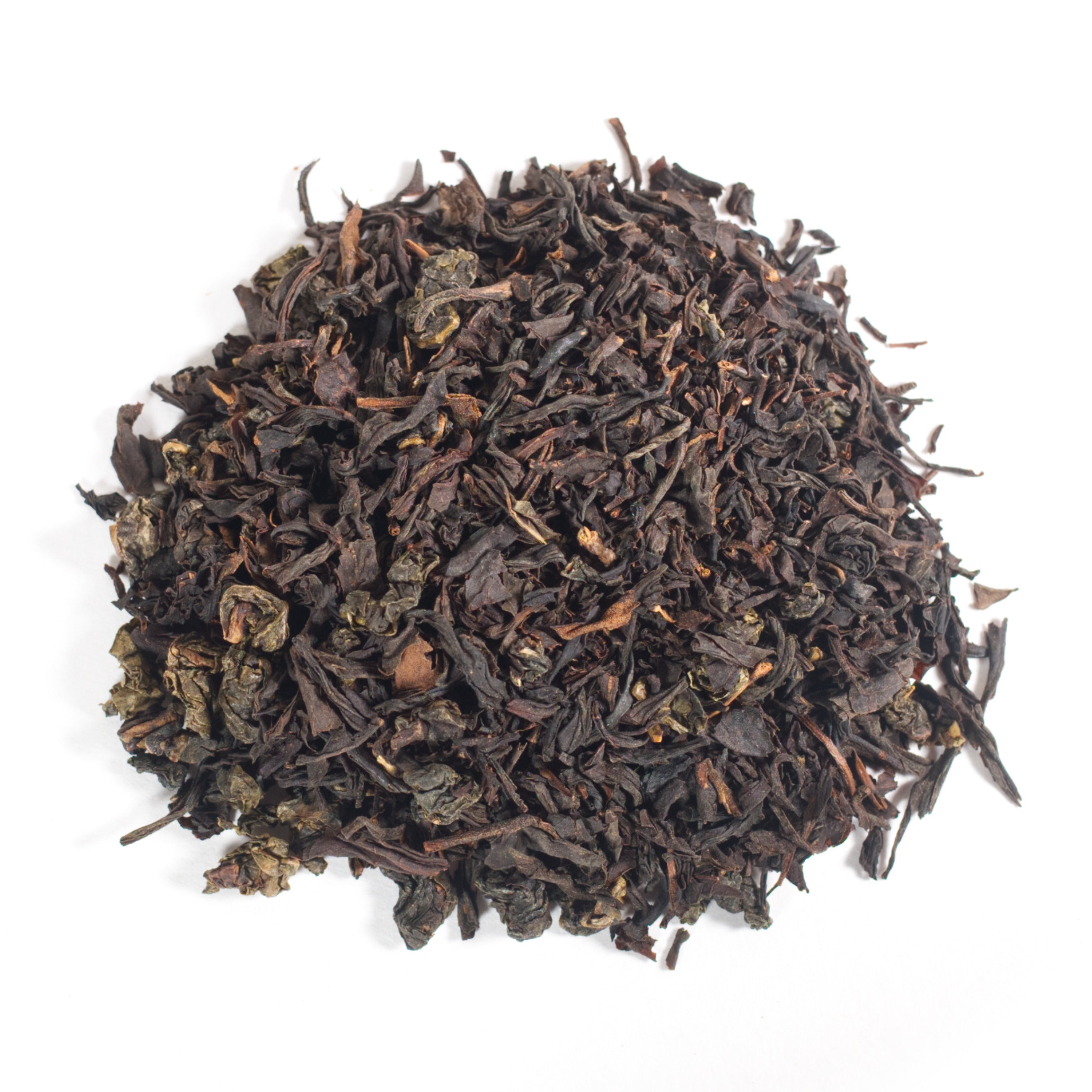
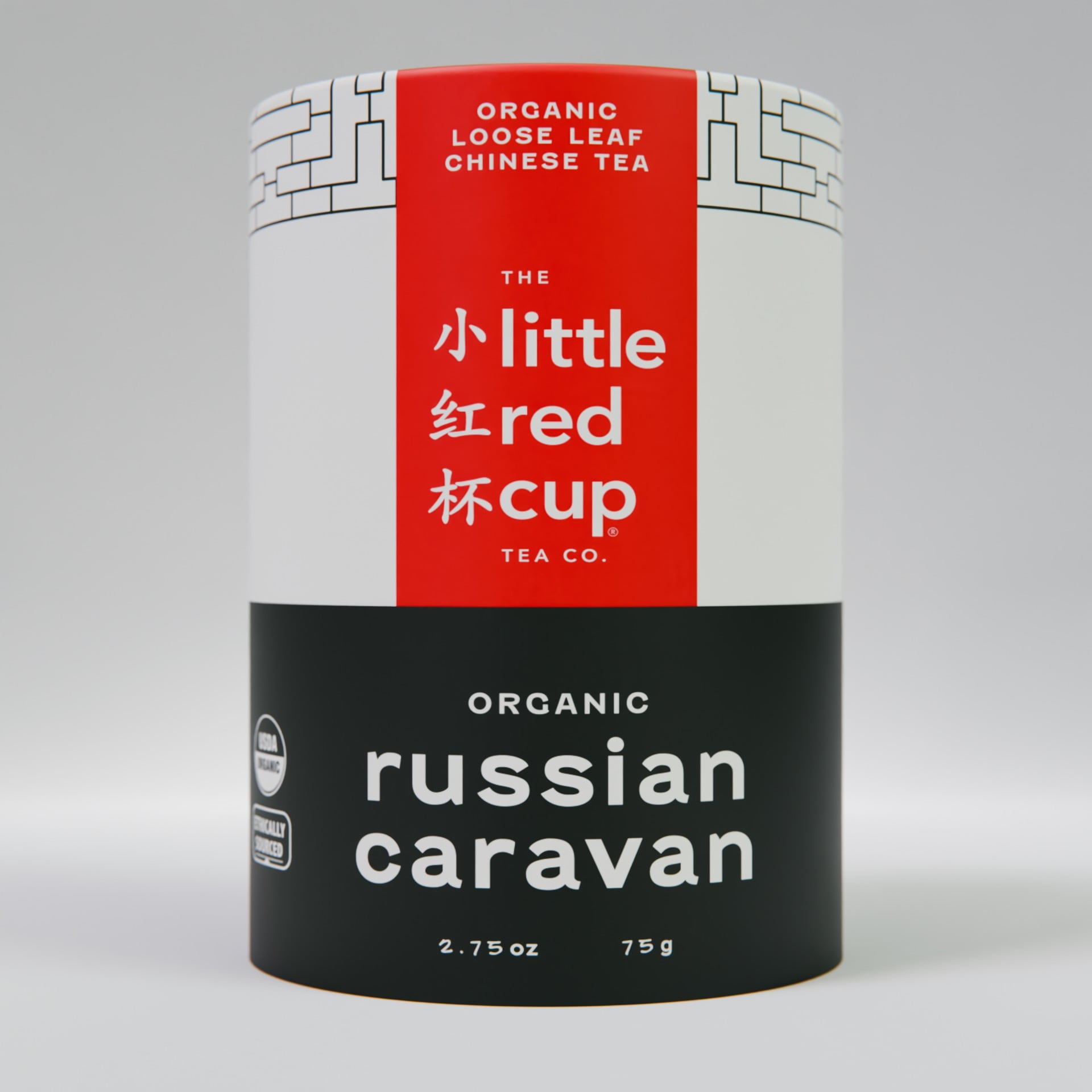
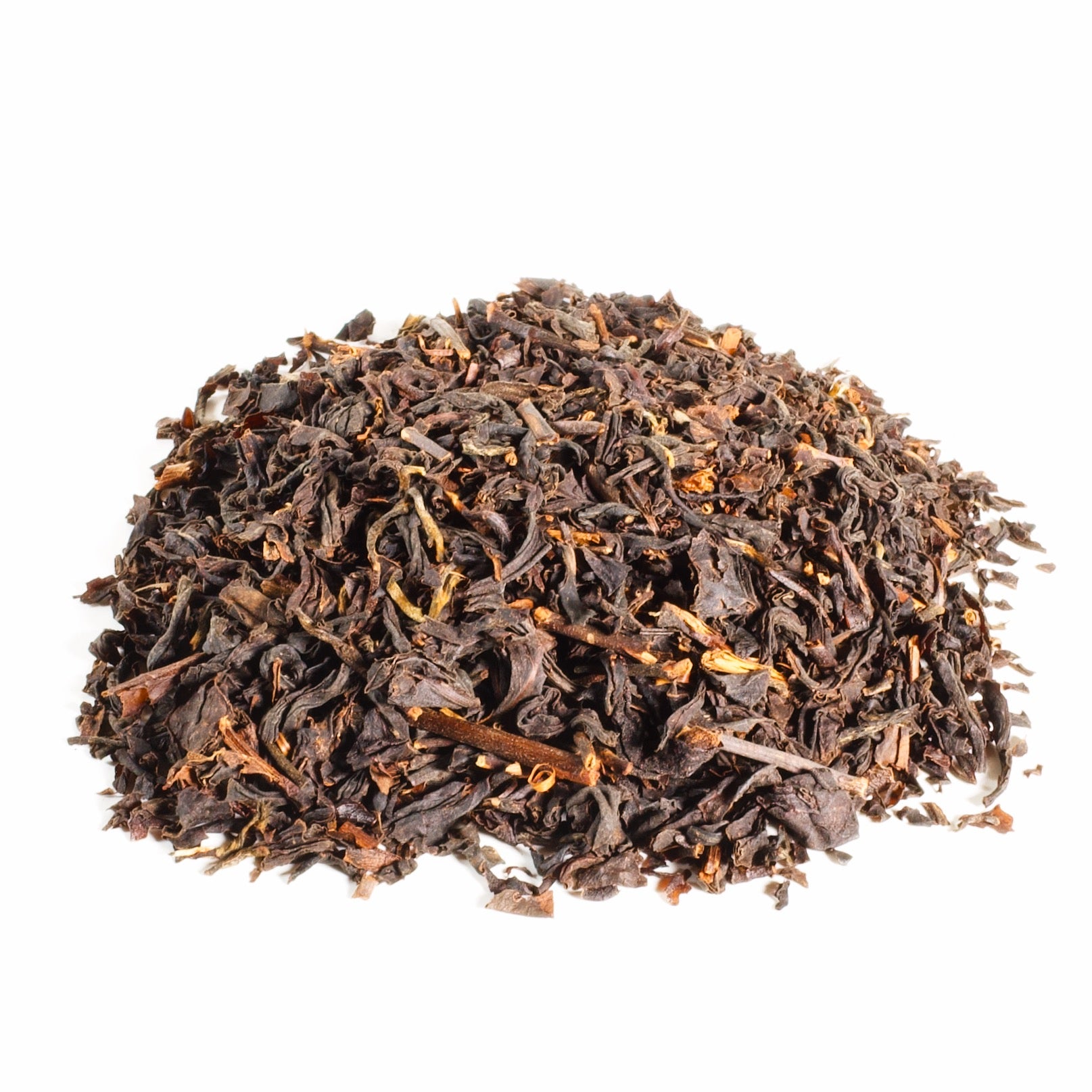
Russian Caravan is our only blend, combining Lapsang Souchong with Jade Oolong and Wuyuan Black. The smoke is still there, but it's dialed back—smoothed out by the other teas into something more approachable. Think of it as Lapsang Souchong for people who aren't quite ready to commit to full campfire mode.
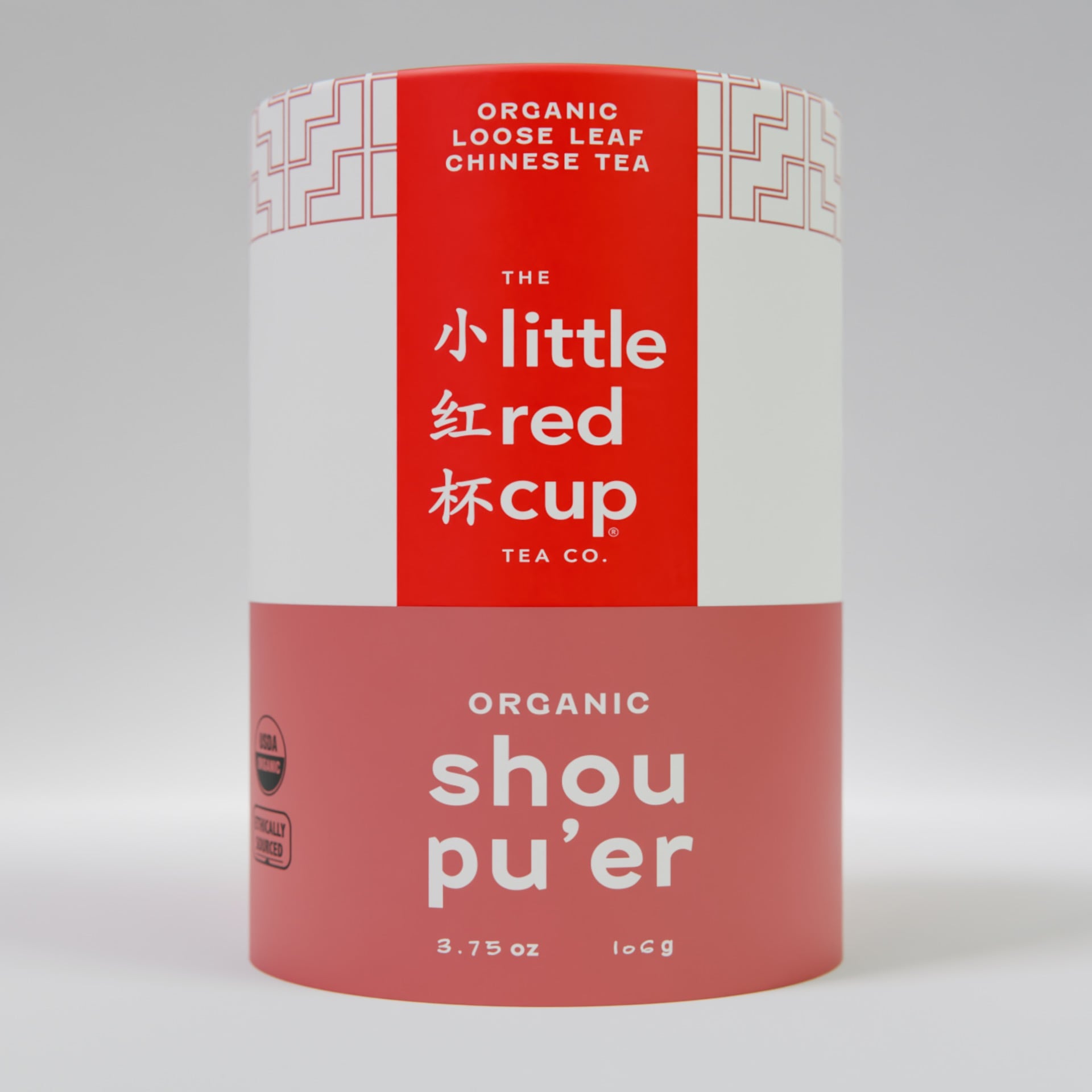
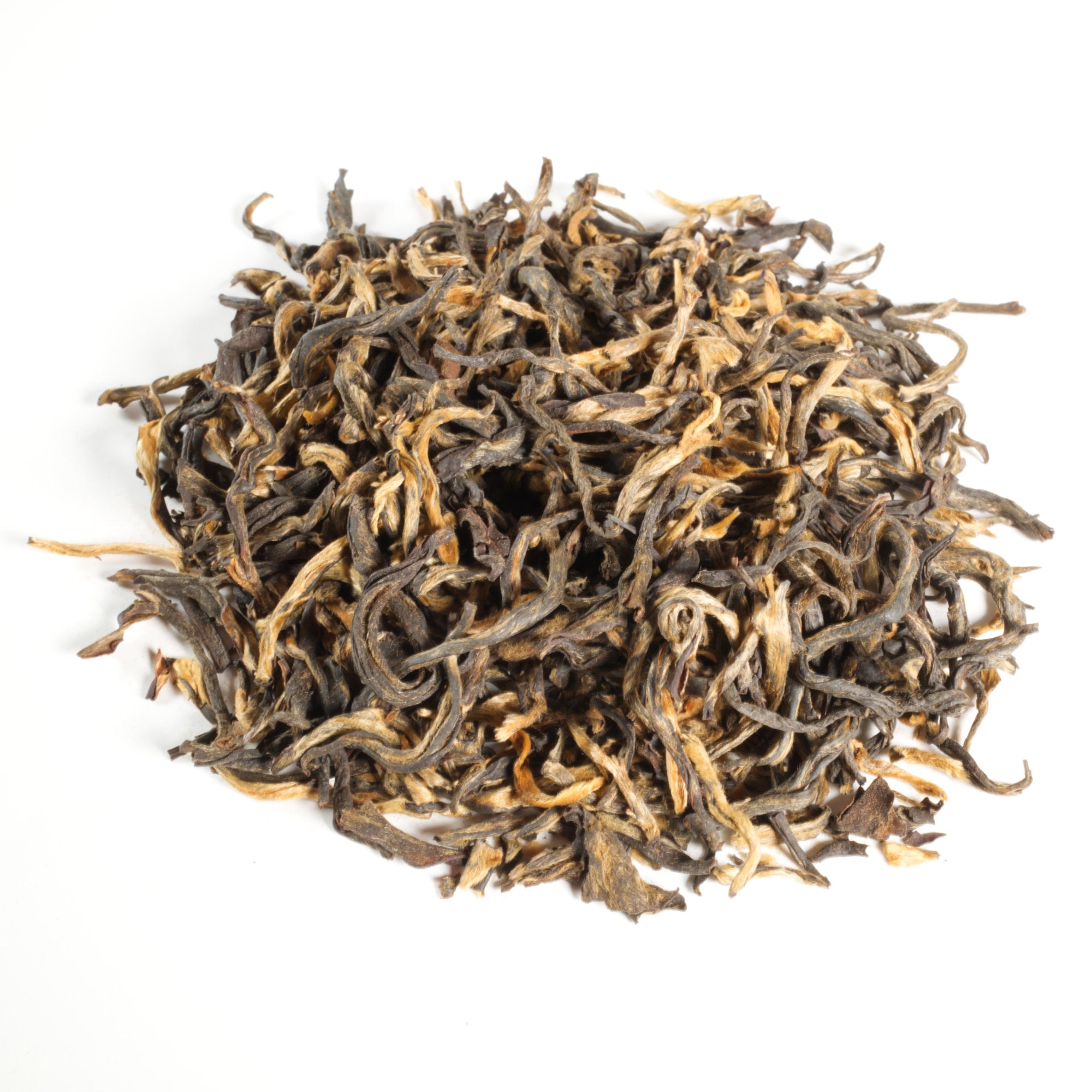
Shou Pu'er is technically a fermented tea rather than a traditionally oxidized black tea, which gives it a completely different character. It's dark, smooth, earthy—almost no astringency. Yunnan Province again, but this time the leaves undergo a controlled fermentation process that produces something closer to aged wine than typical black tea.
What to Try First
If you're new to Chinese black tea: Wuyuan Black is the safe bet—it's what Chinese black tea is supposed to taste like.
If you want something naturally sweet without being flavored: Golden Monkey or Black Snail.
If you're replacing coffee and want something with presence: Yunnan Black or Shou Pu'er.
If you like peaty scotch, smoked meats, or campfires: Lapsang Souchong first, then Russian Caravan if you want the same idea with less intensity.