Special Lot From: Hunan Province
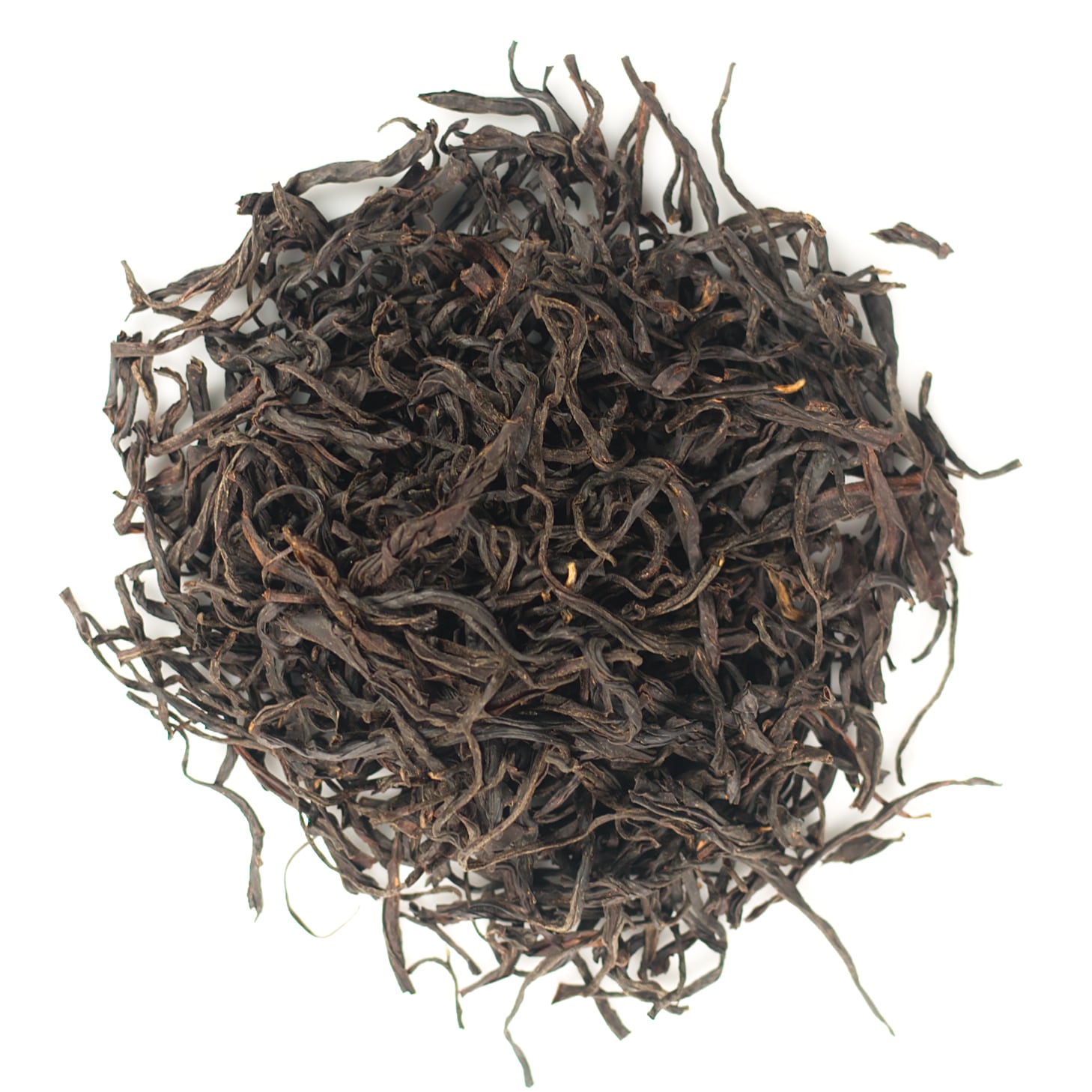
Organic Keemun Black
About Our Organic Keemun Black
Brewing Guidelines for Organic Keemun Black



Brewing Guidelines are for one 8 oz. cup.
The best way to brew your tea is the way you like - don't let anyone tell you different. Our guidelines are configured for making your tea a cup at a time - maybe with our stainless tea filter. If making by the pot, maintain temperature and time but try with slightly less tea than the math would suggest.
For more brewing instructions, read our brewing guidelines.
Customer Reviews for Organic Keemun Black
Why Our Tea Is Organic
Tea is among the most heavily treated crops in conventional agriculture. When you steep tea leaves in hot water, you’re making an extraction—and that extraction doesn’t discriminate between flavor compounds and pesticide residues. Every tea we sell meets certified organic standards. Our teas are certified organic by the USDA and MOFGA (Maine Organic Farmers and Gardeners Association), a leading independent organic certifier. This means no synthetic pesticides, no chemical fertilizers, and annual third-party inspections to verify it. We source from worker-owned cooperatives in rural, mountainous regions of China, where traditional growing methods align naturally with organic standards. These aren’t industrial plantations; they’re small farms where people have been growing tea the same way for generations. Healthier soil produces better tea. Plants grown without synthetic chemical inputs develop more complex flavor profiles. You can taste the difference.