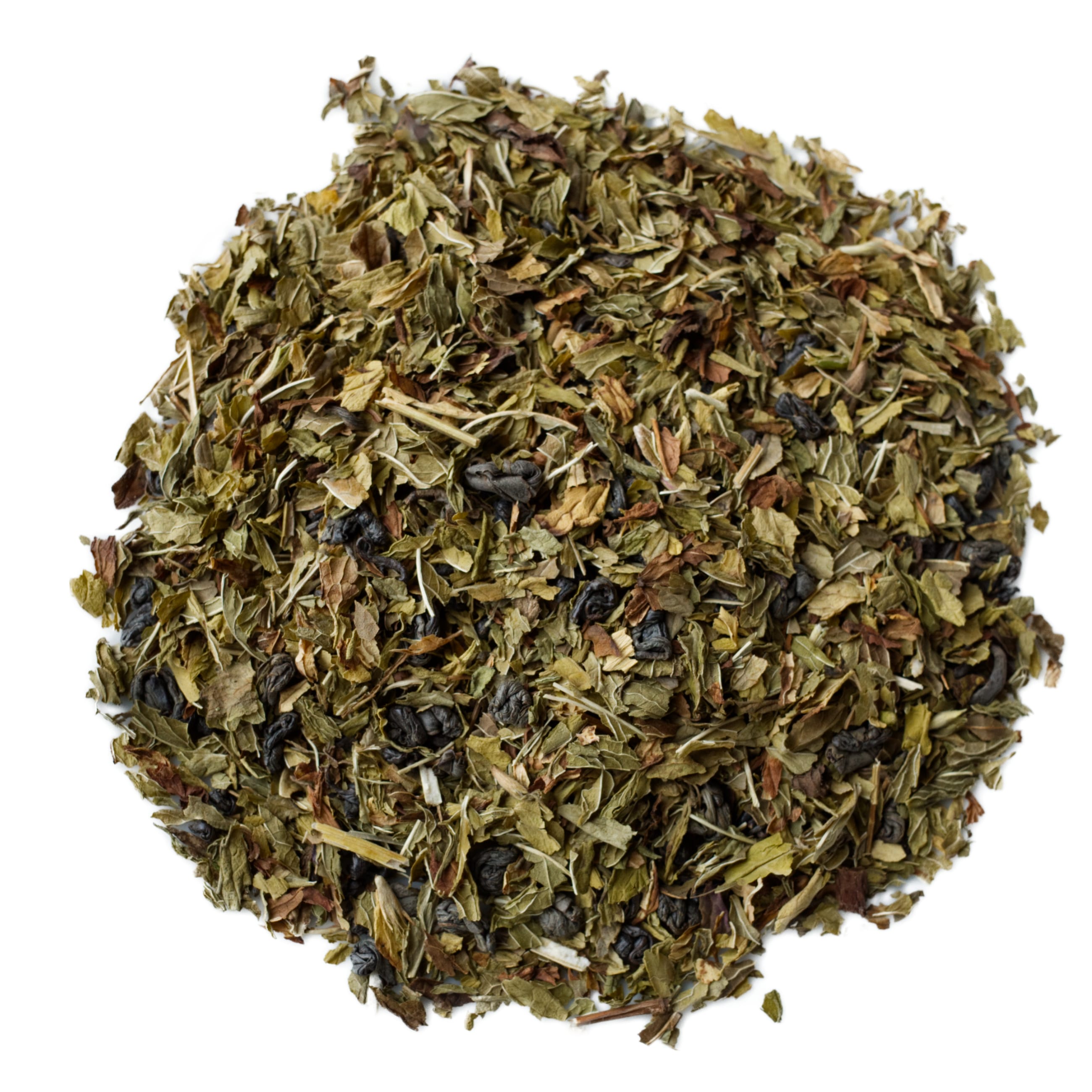
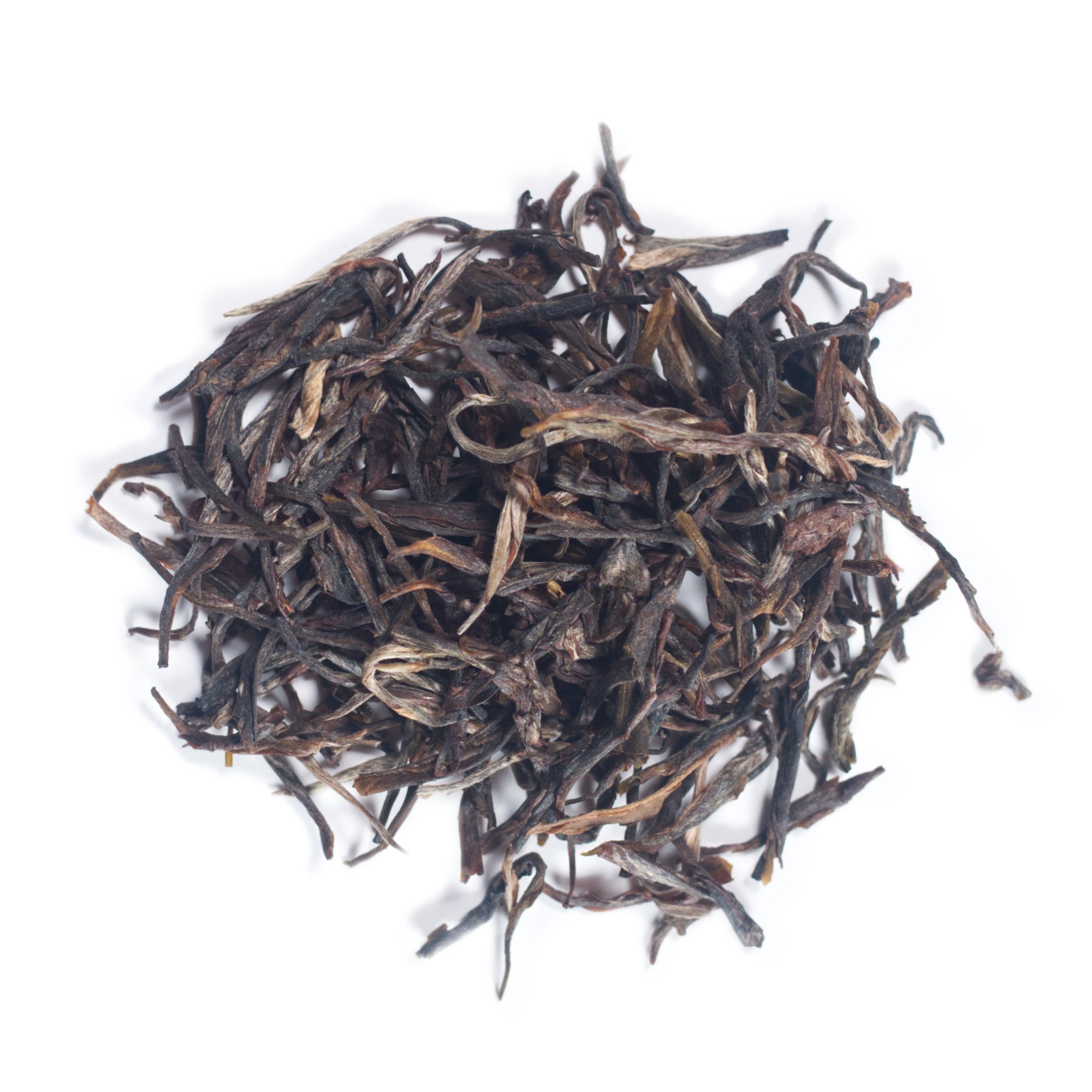
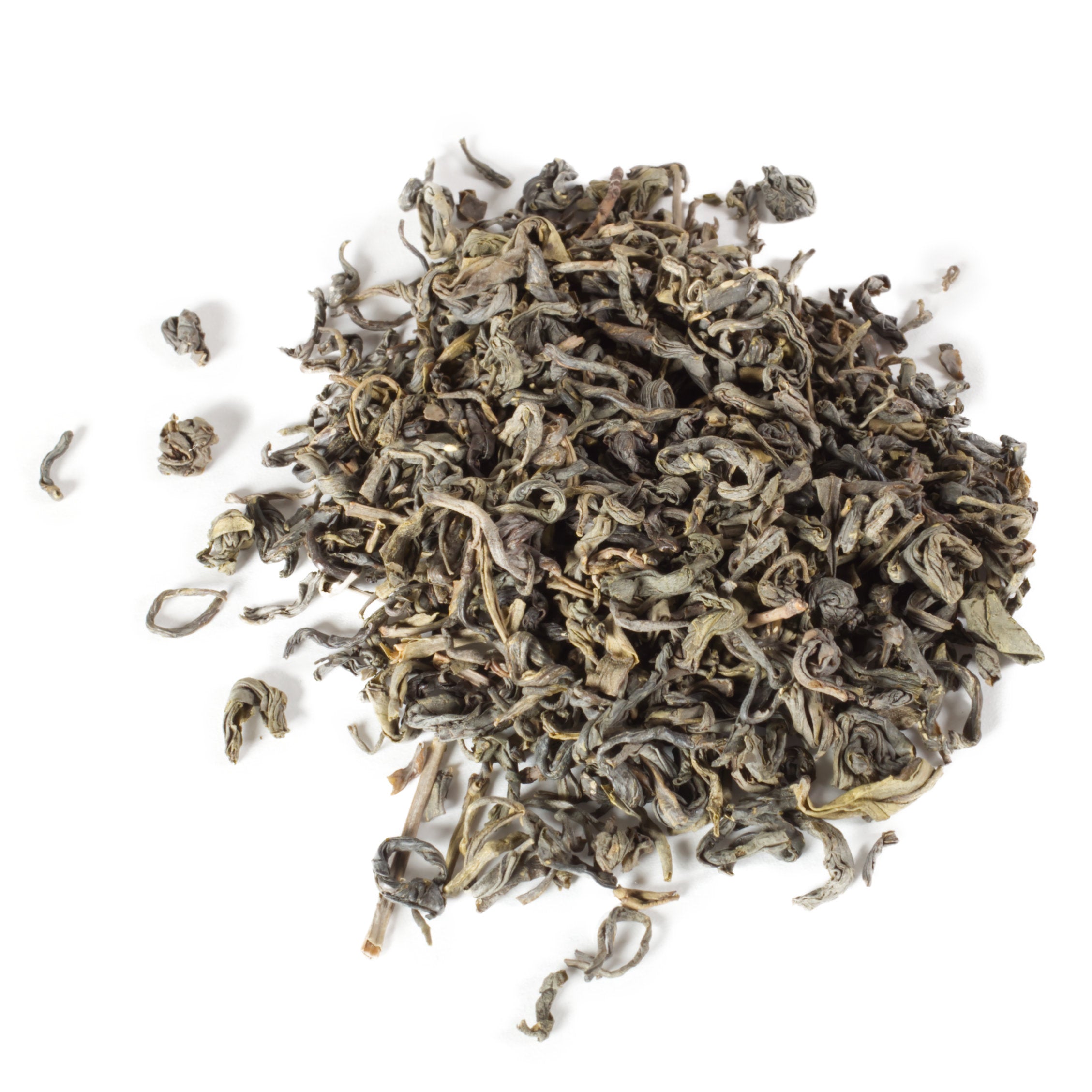
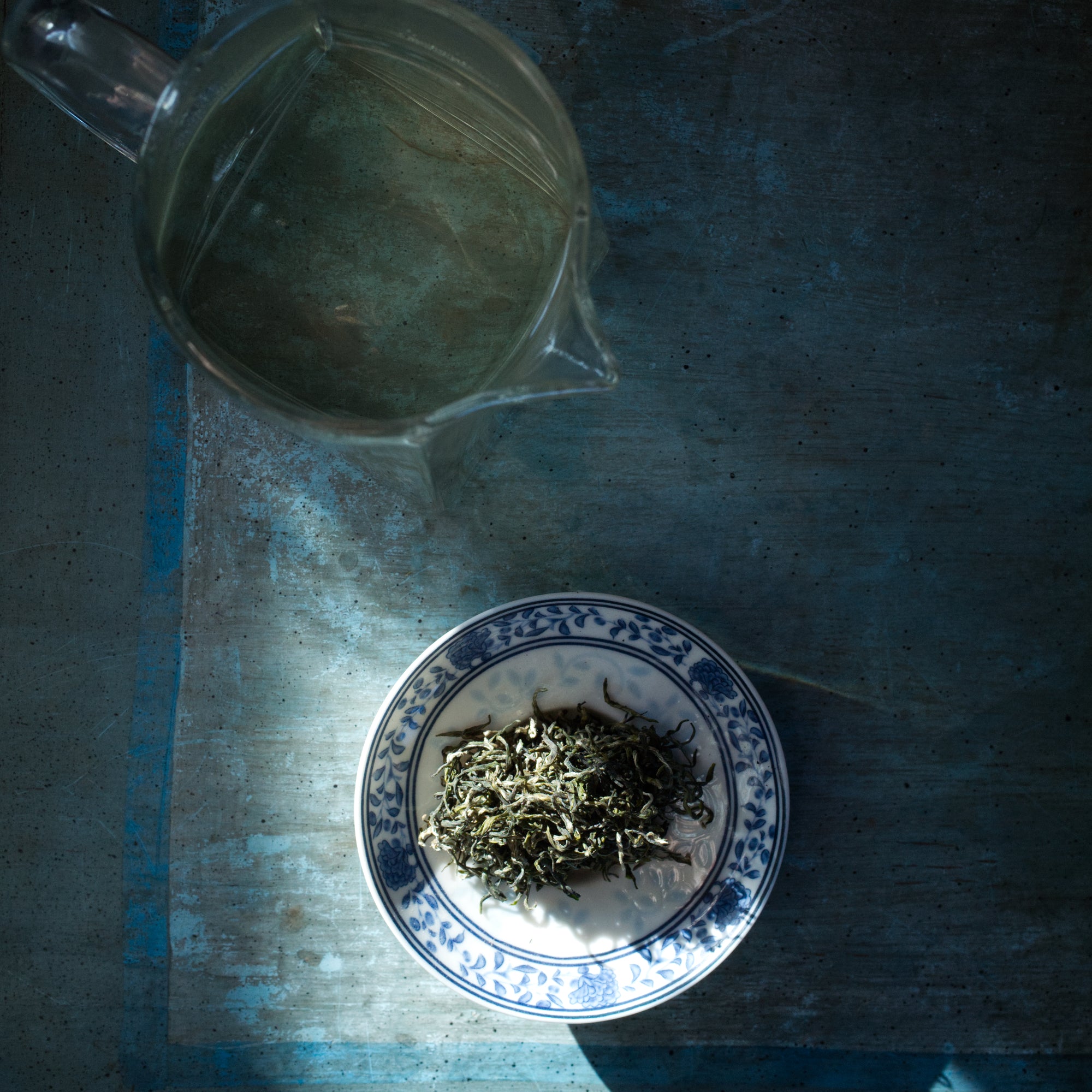
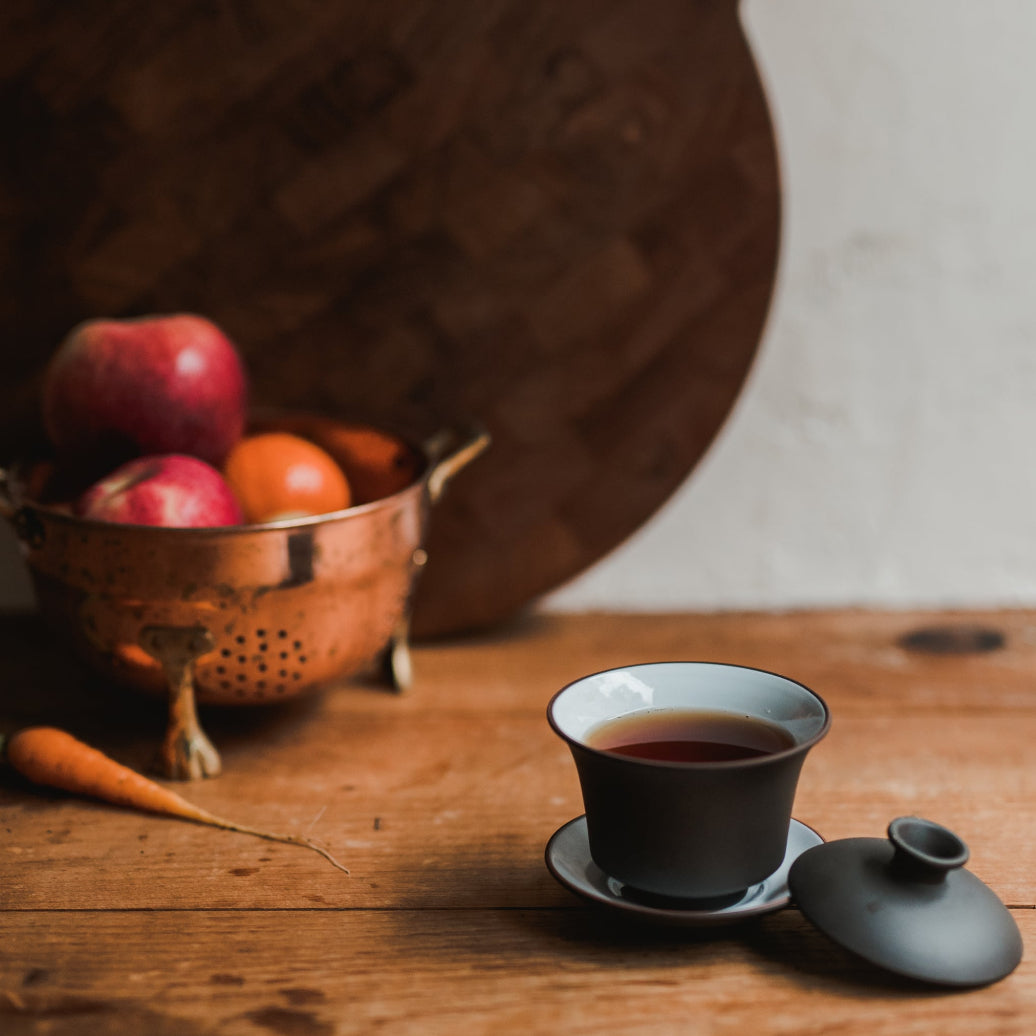
Chinese green tea is more approachable than its reputation suggests. Where people often expect bitterness or strong grassy flavors, traditional Chinese green teas emphasize freshness, balance, and a range that goes from meadow-like and robust to delicate and vegetal. These aren't teas that need to be approached carefully or drunk only in specific contexts—they're meant for regular drinking.
Every tea in this collection is certified organic and sourced directly from worker-owned cooperatives across China's traditional tea-growing regions in Jiangxi, Hubei, Hunan, and Yunnan provinces. These aren't mass-market commodity teas—they're whole-leaf varieties selected for flavor and quality, not filler for teabags.
Classic Everyday Greens: Green Eyebrow and Gunpowder
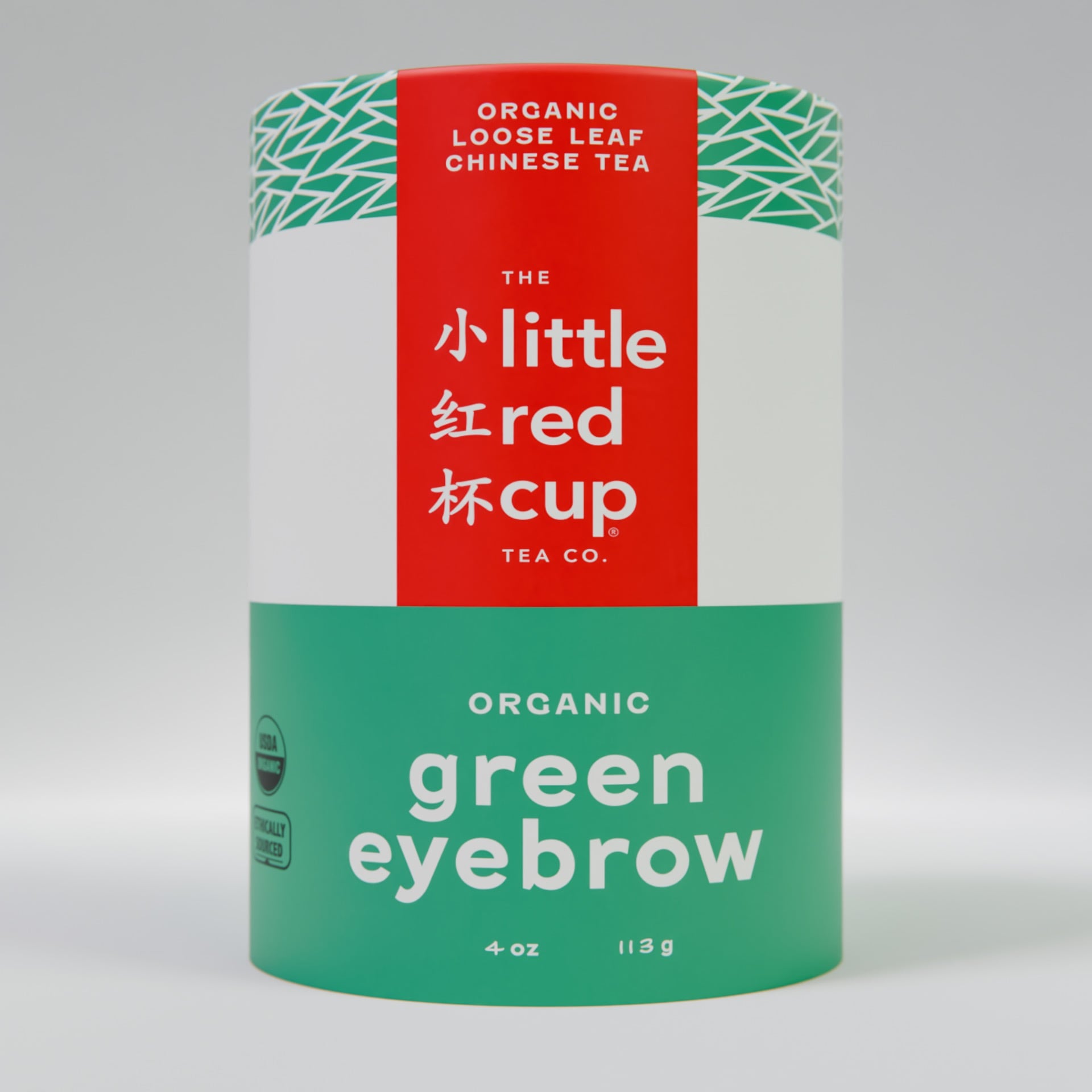
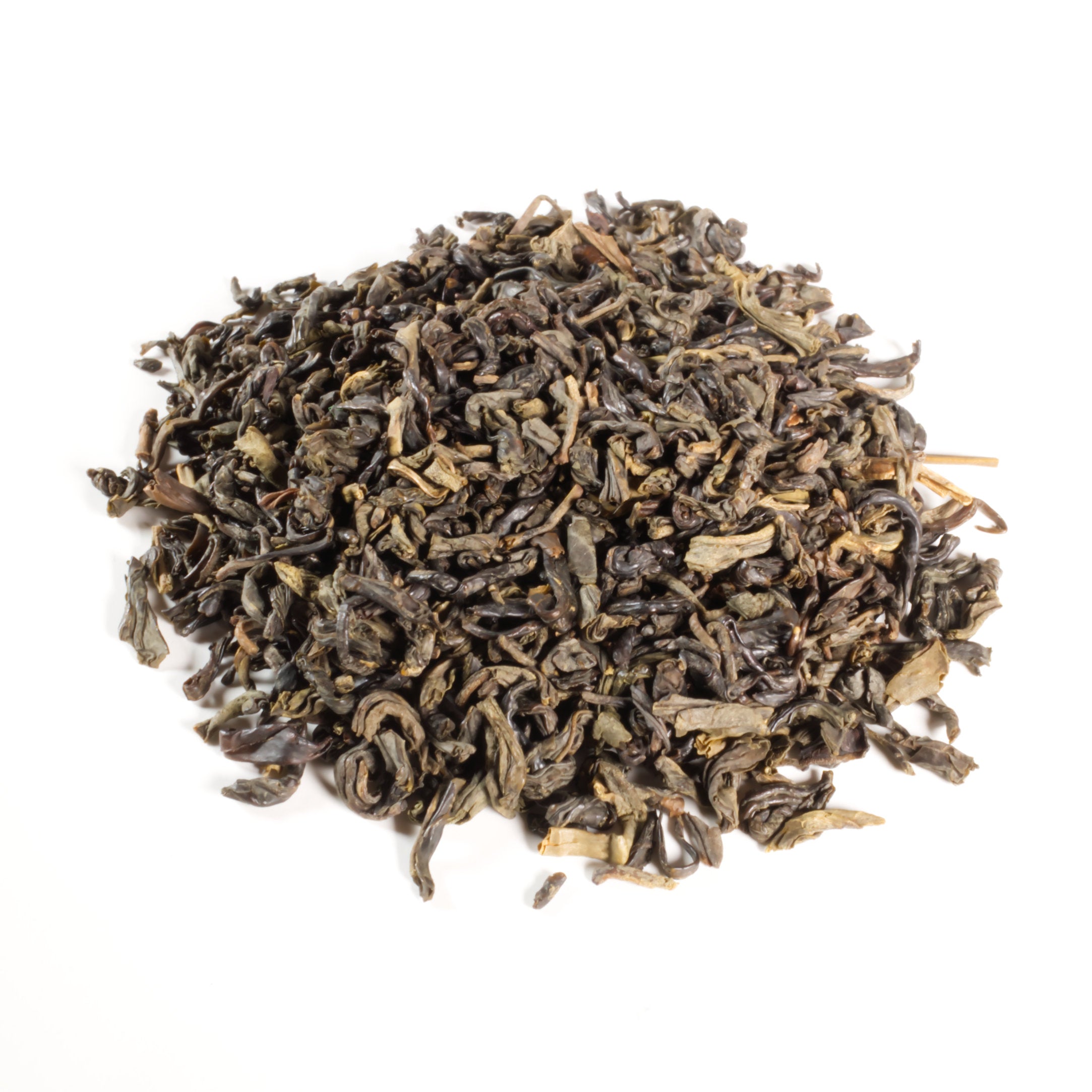
Green Eyebrow is what many consider the benchmark Chinese green tea. Grown in Jiangxi Province, it's got notes of newly mown hay, fields, and meadows—the complete embodiment of what green tea is supposed to taste like. This is the strongest of our everyday greens, which doesn't mean harsh or bitter, just present and full-flavored. The kind of tea that shows up in our own pots when we want something straightforward and good.
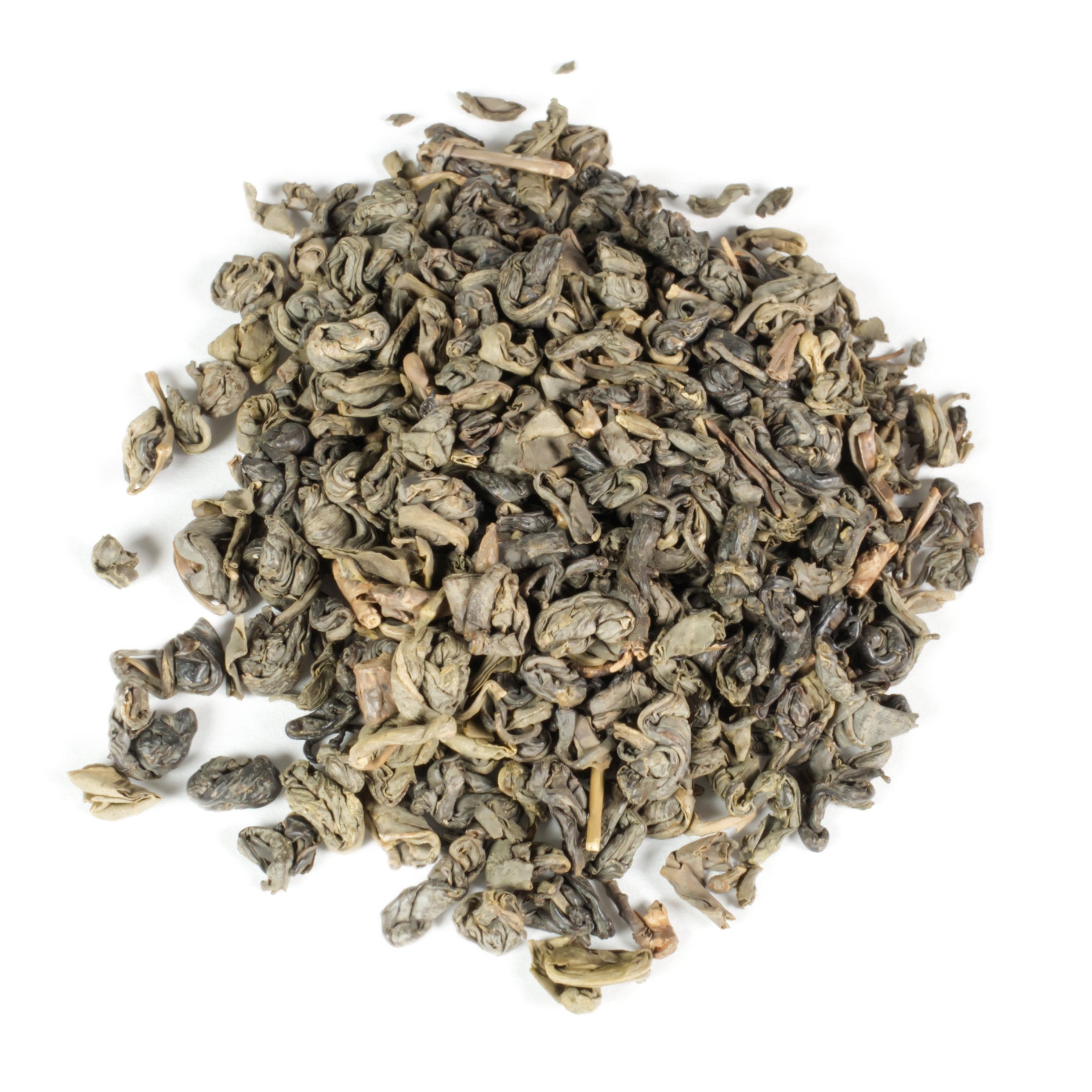
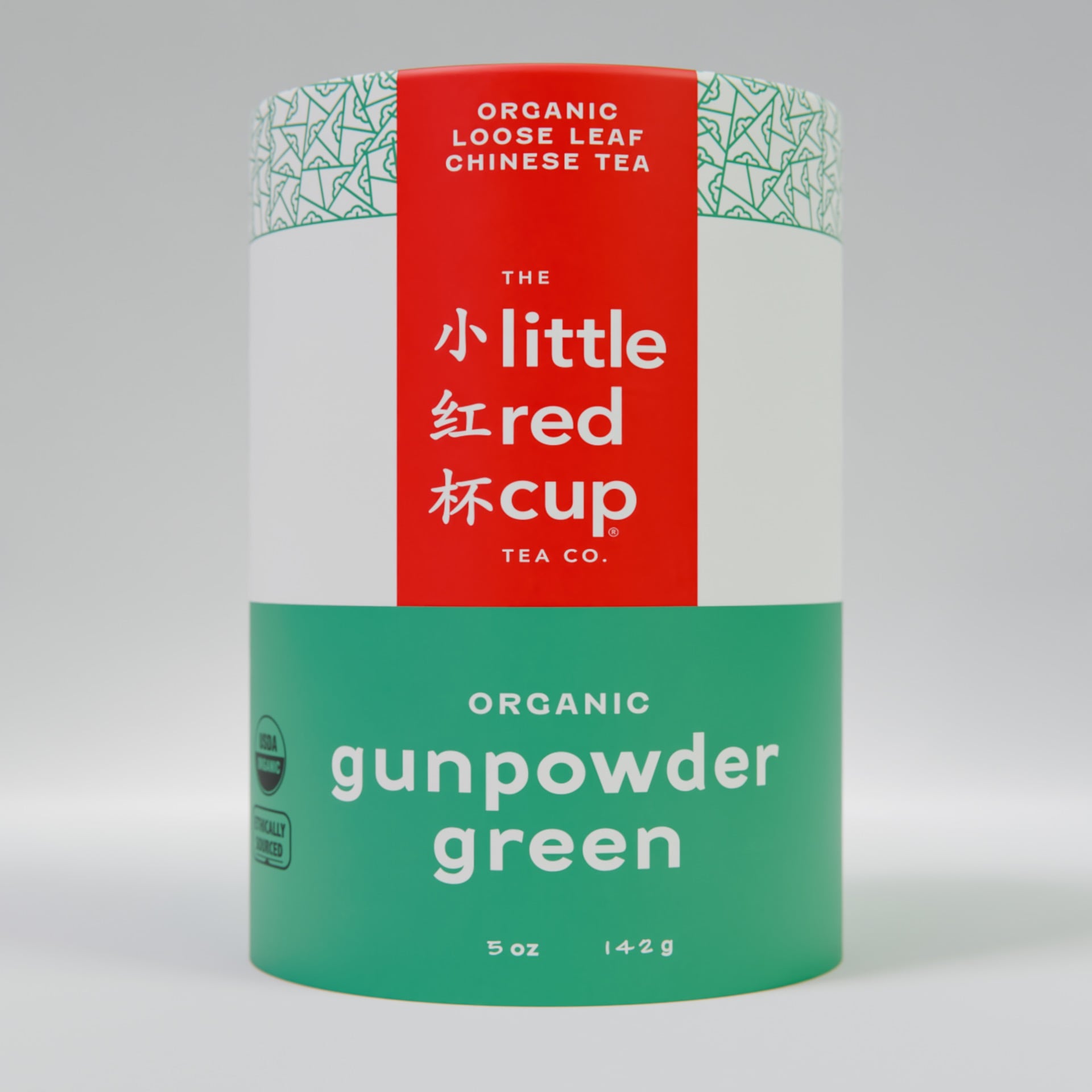
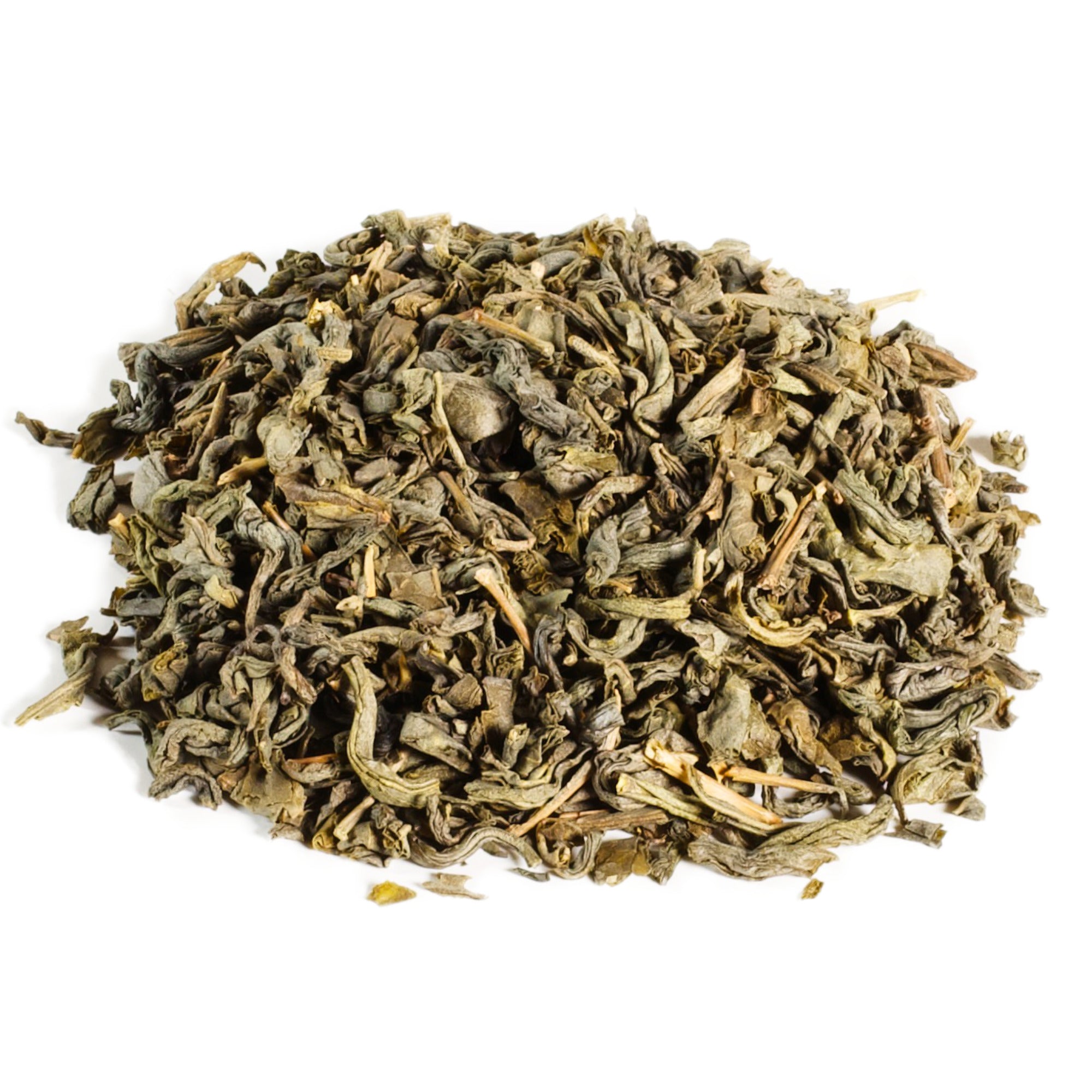
Gunpowder Green comes from the same region in Jiangxi and shares those classic meadow and hay notes, but adds a mild smokiness that makes it distinctive. The leaves are rolled into tight pellets (hence the name), and when they unfurl during steeping, they release a more concentrated flavor than flatter-leaf greens. This is the wake-up tea—it's got enough presence to get you out of bed and enough character to keep you interested.
Lighter, Vegetal Styles: Yu Lu and Green Mao Jian
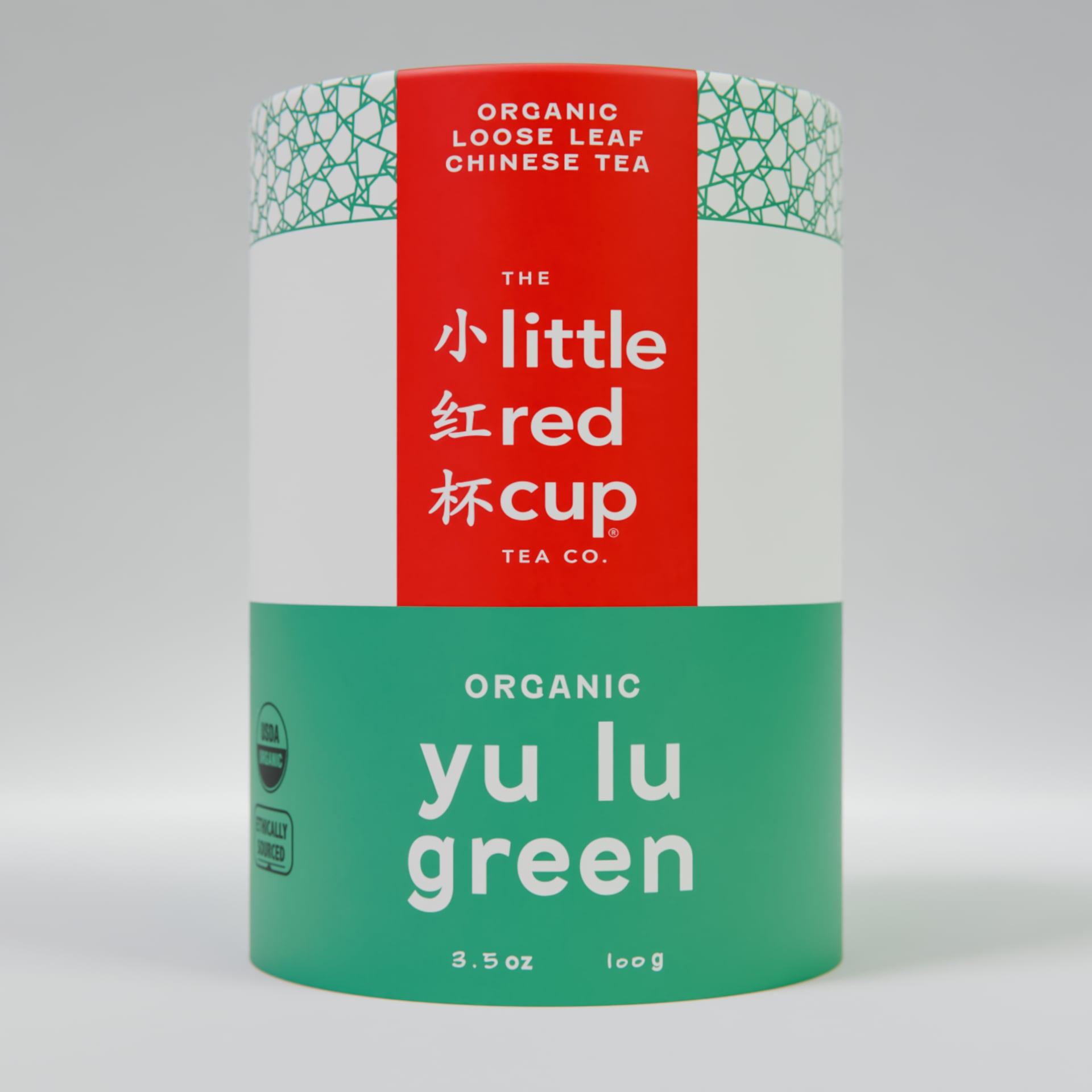
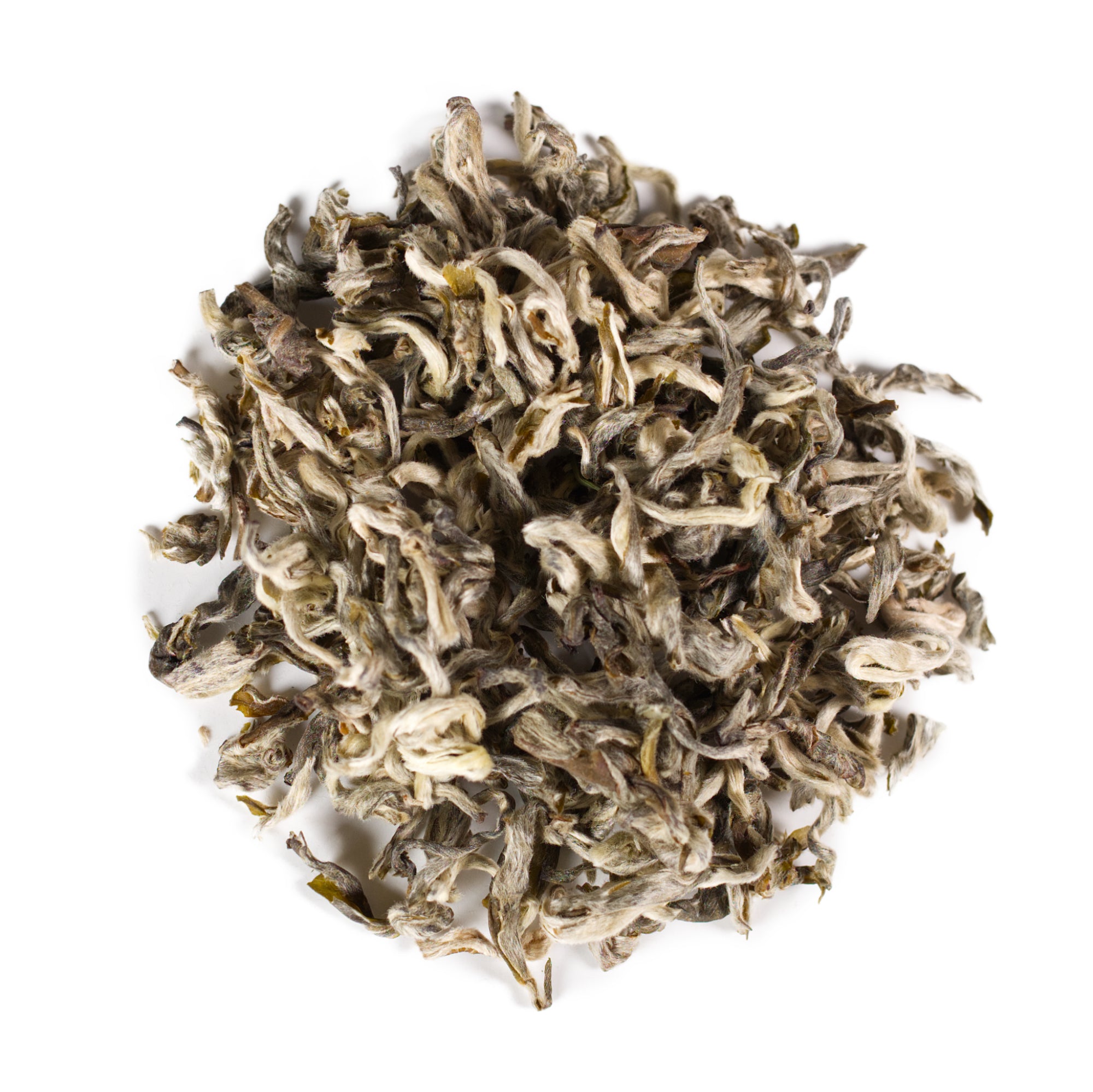
Yu Lu Green (Jade Dew) is mountain-grown in Hubei Province and sits at the opposite end of the green tea spectrum from Green Eyebrow. It's deliciously vegetal and buttery, with a sweetness that doesn't need any help. This is the tea for people who think they don't like green tea because it's too grassy—Yu Lu proves that green tea can be smooth, almost creamy, without losing its freshness.
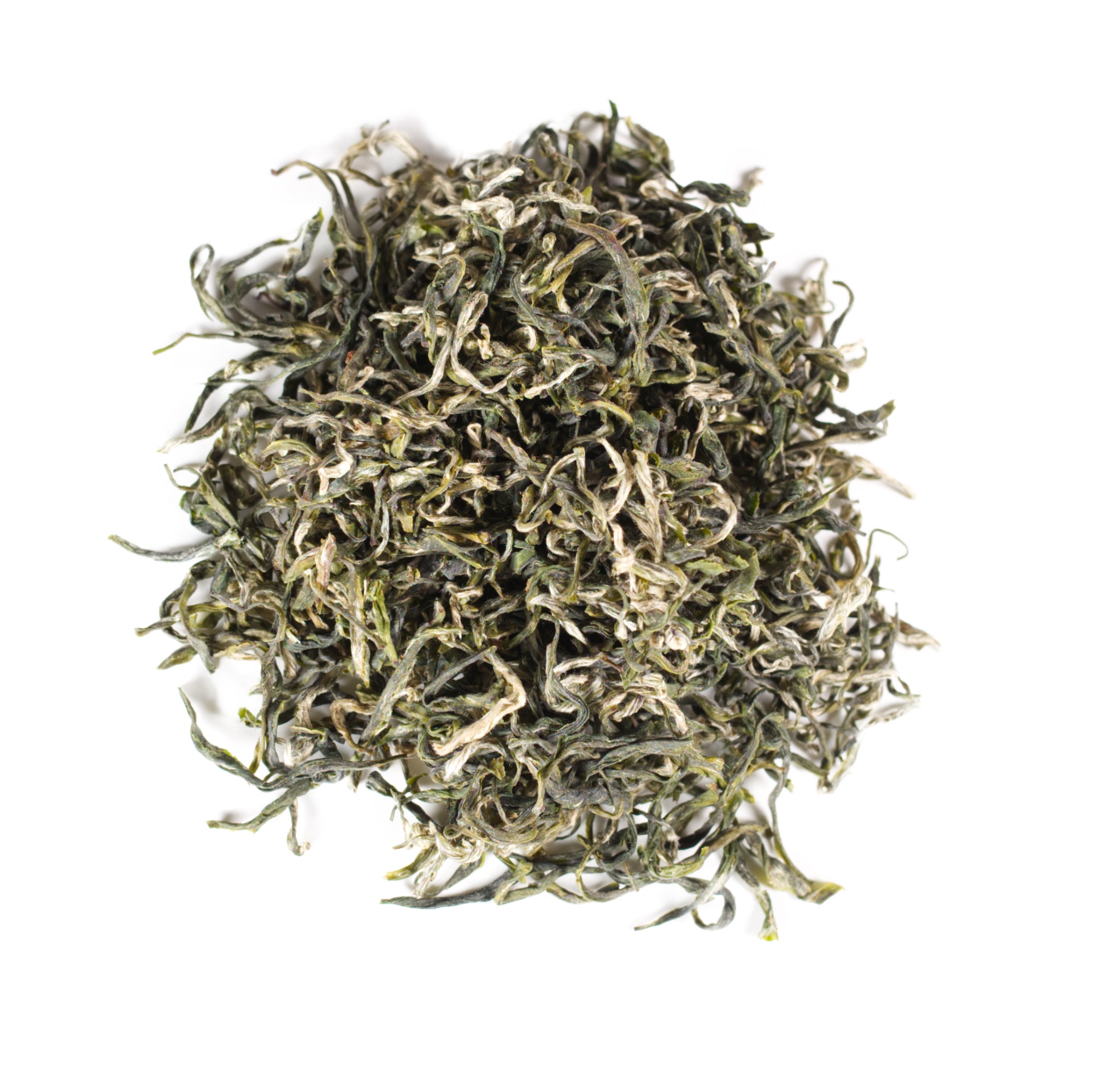
Green Mao Jian comes from the mountains of Hunan Province and falls somewhere between Yu Lu's delicacy and Green Eyebrow's robustness. It's got a clean, bright character with vegetal notes that don't overwhelm. This is a good middle-ground tea—approachable for newcomers, interesting enough for people who already know what they like.
Scented and Special: Jasmine, Dragon Well, and Bi Luo Chun
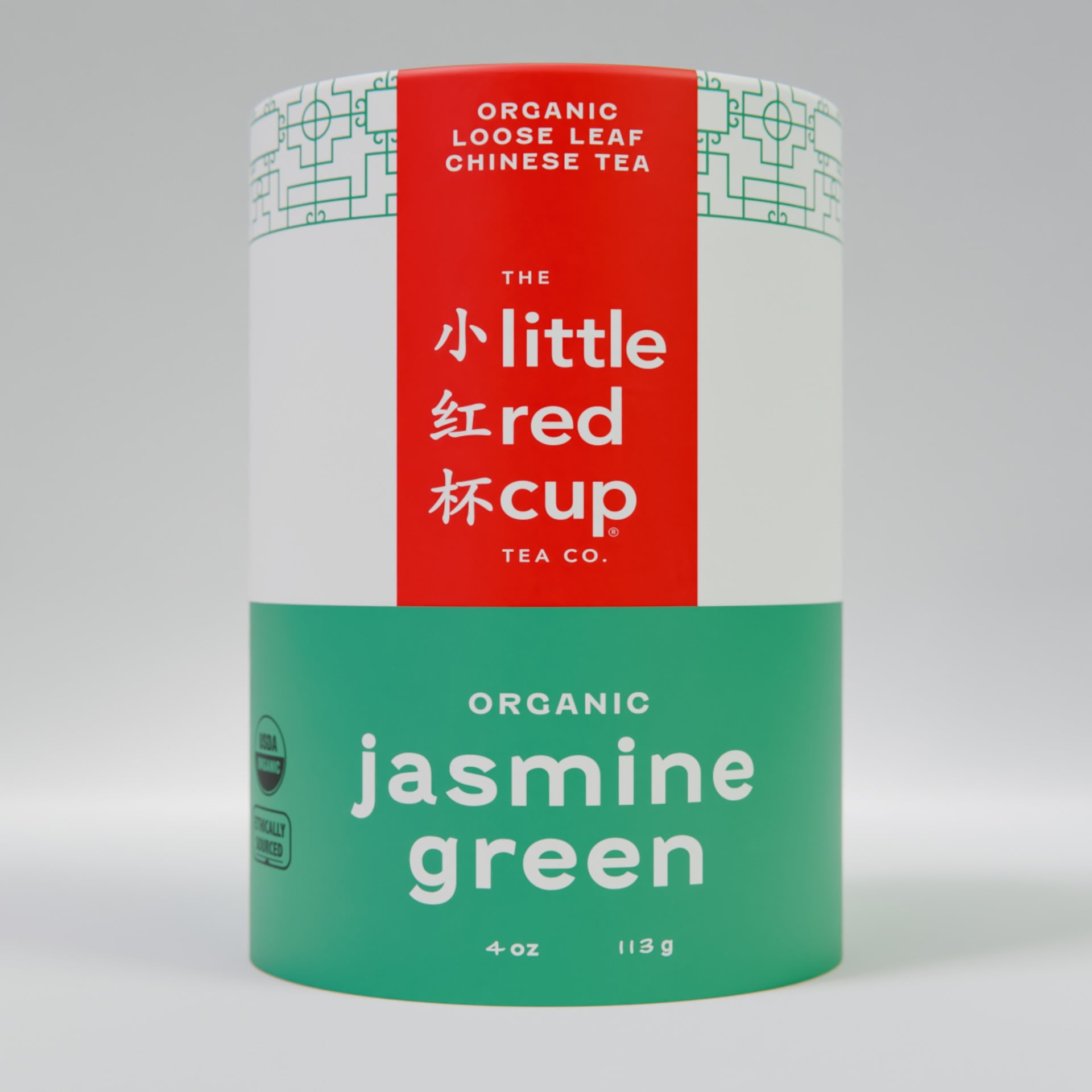
Jasmine Green is made the traditional Chinese way: fresh jasmine blossoms are layered with green tea leaves overnight, allowing the tea to absorb the floral aroma naturally. The jasmine is distinctive but not overpowering—you can still taste the green tea underneath. This is jasmine tea for people who actually want to drink tea, not just smell flowers. Base tea from Jiangxi Province.
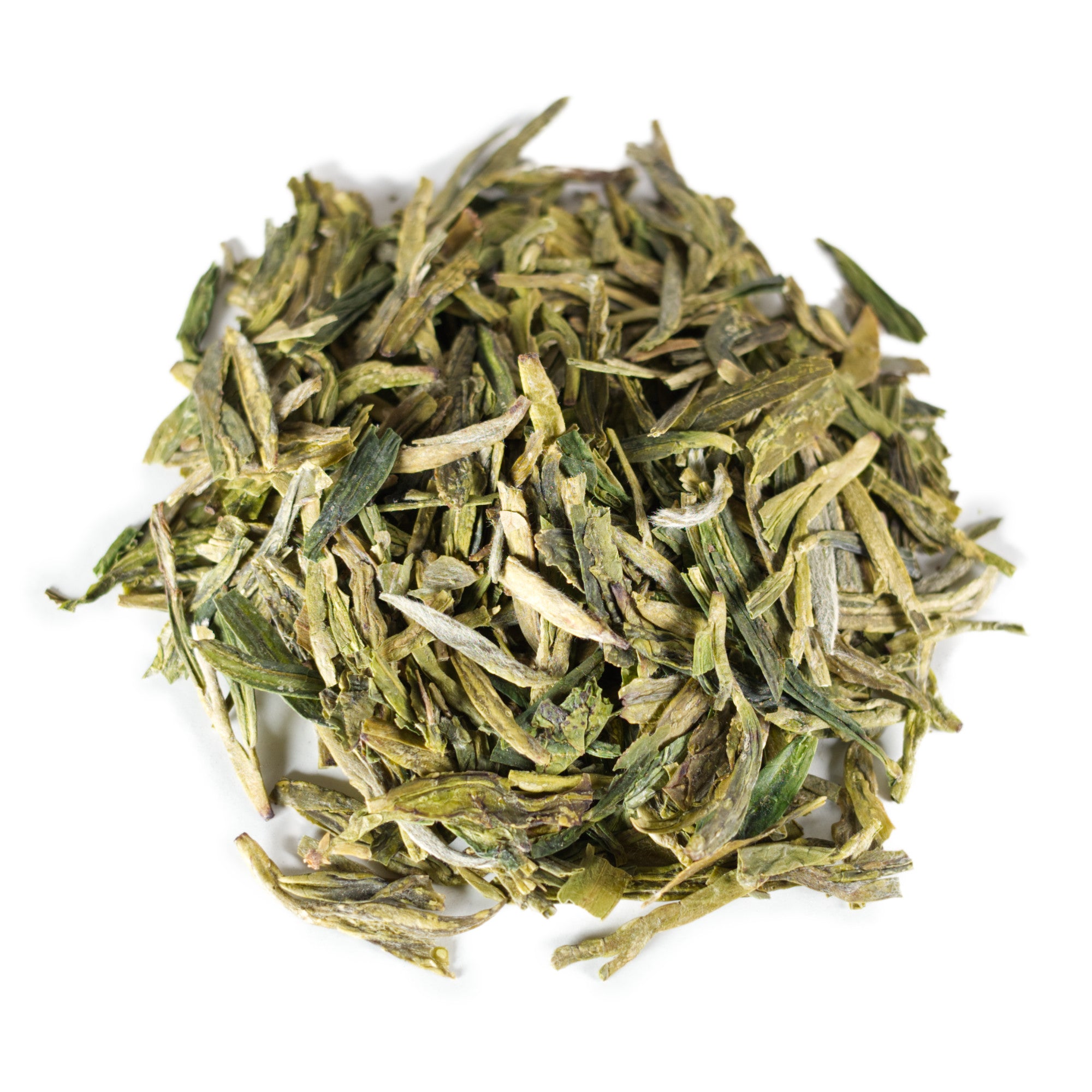
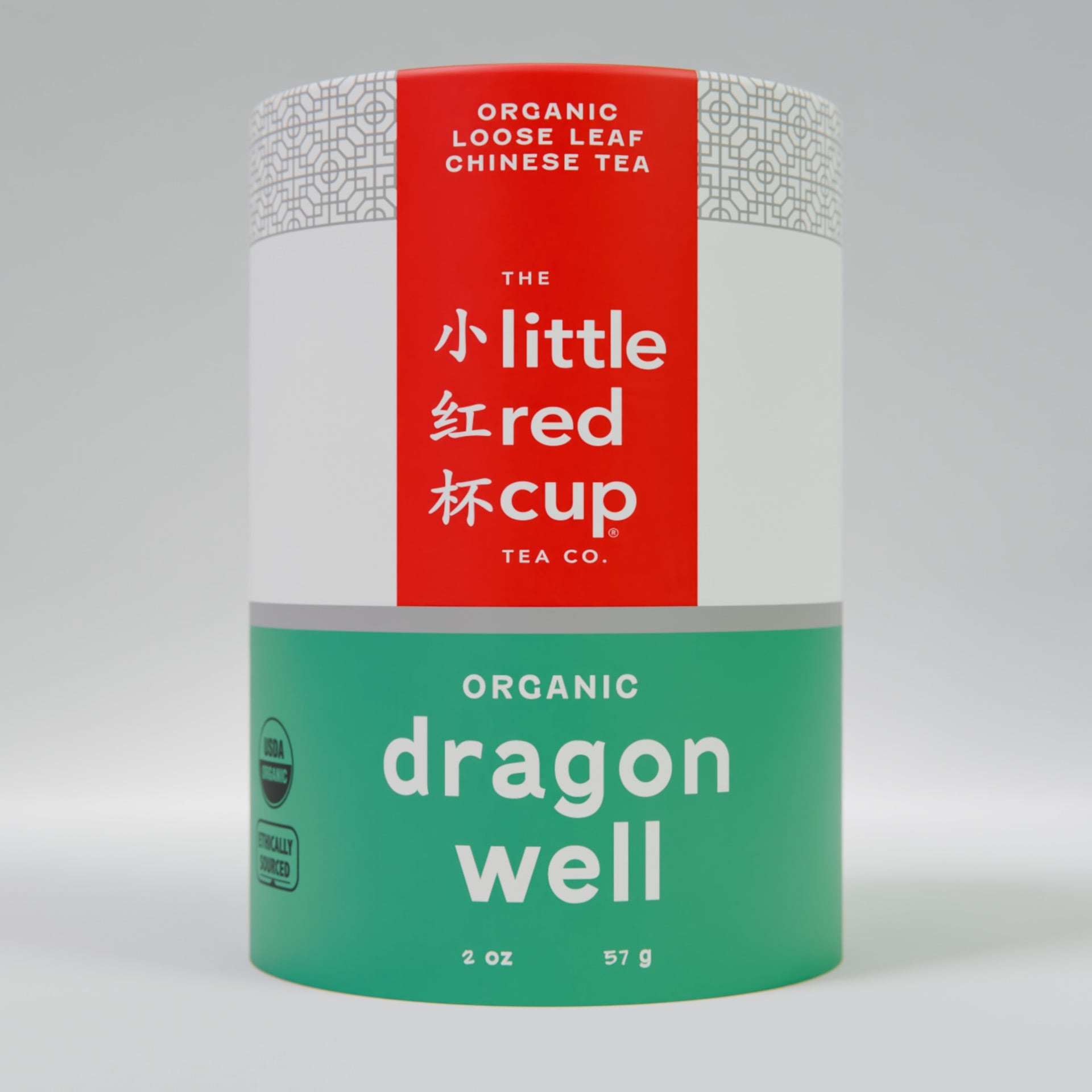
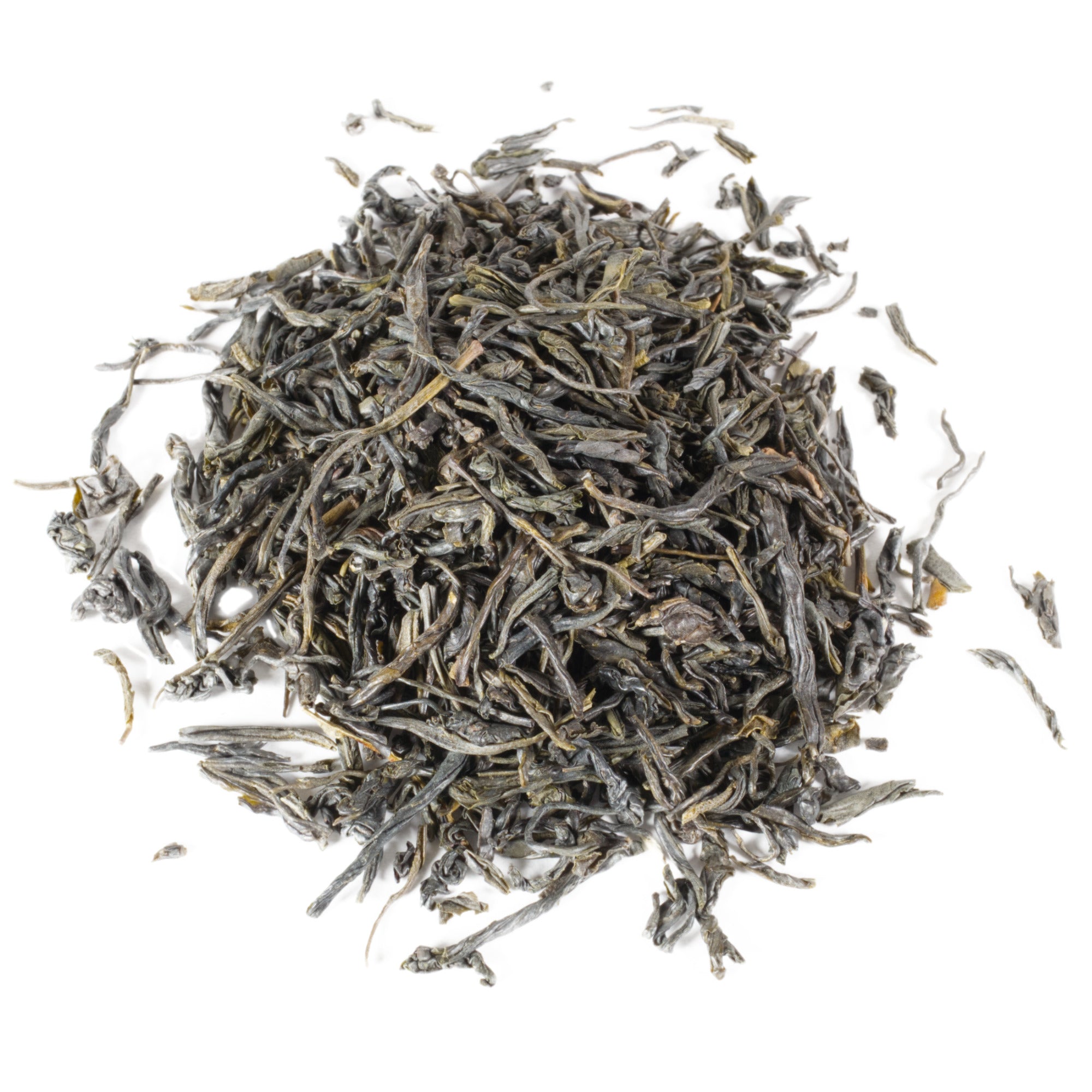
Dragon Well (Long Jing) is one of China's most famous green teas, and for good reason. This special lot comes from traditional growing regions and has a nutty, slightly sweet character with a smooth finish. It's a premium tea that doesn't require ceremony to enjoy—though it certainly rewards attention if you want to give it.
Bi Luo Chun (Green Snail Spring) is another classic Chinese green, named for the spiral shape of its leaves. It's lighter and more delicate than Dragon Well, with floral notes and natural sweetness. This is spring tea at its best—fresh, clean, the kind of thing you want to drink when the weather finally turns warm.
What to Try First
If you're new to Chinese green tea: Green Eyebrow is the standard—it's what Chinese green tea is supposed to taste like.
If you think green tea is too bitter or grassy: Yu Lu or Green Mao Jian—both are smooth and vegetal without any harshness.
If you want something with more presence: Gunpowder Green for that distinctive smoky edge.
If you want jasmine tea that's actually good: Jasmine Green—traditionally scented, not artificially flavored.
If you're ready to try premium greens: Dragon Well or Bi Luo Chun—both are special lots worth the extra cost.