Oolong teas sit between green and black on the oxidation spectrum, which gives them complexity without the sharp bite of some greens or the heaviness of fully oxidized blacks. What you get is balance—teas that develop flavor across multiple steepings without turning bitter or thin.
We source these oolongs from worker-owned cooperatives in Hubei and Fujian provinces. Every tea is certified organic and whole-leaf. We spent years rejecting varieties that didn't meet our standards for everyday drinkability. These five made the cut.
Greener Oolongs: Jade Oolong and Bao Zhong
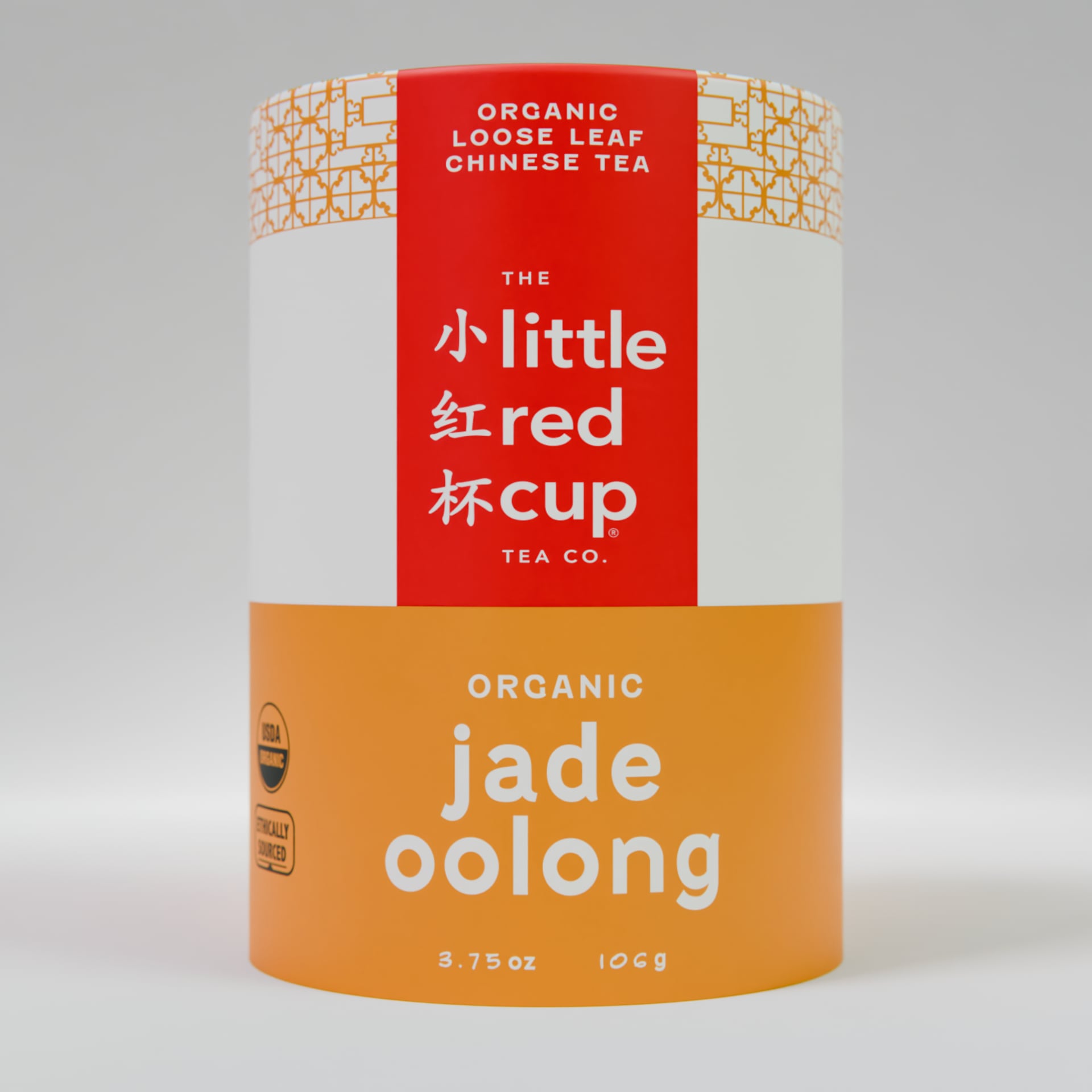
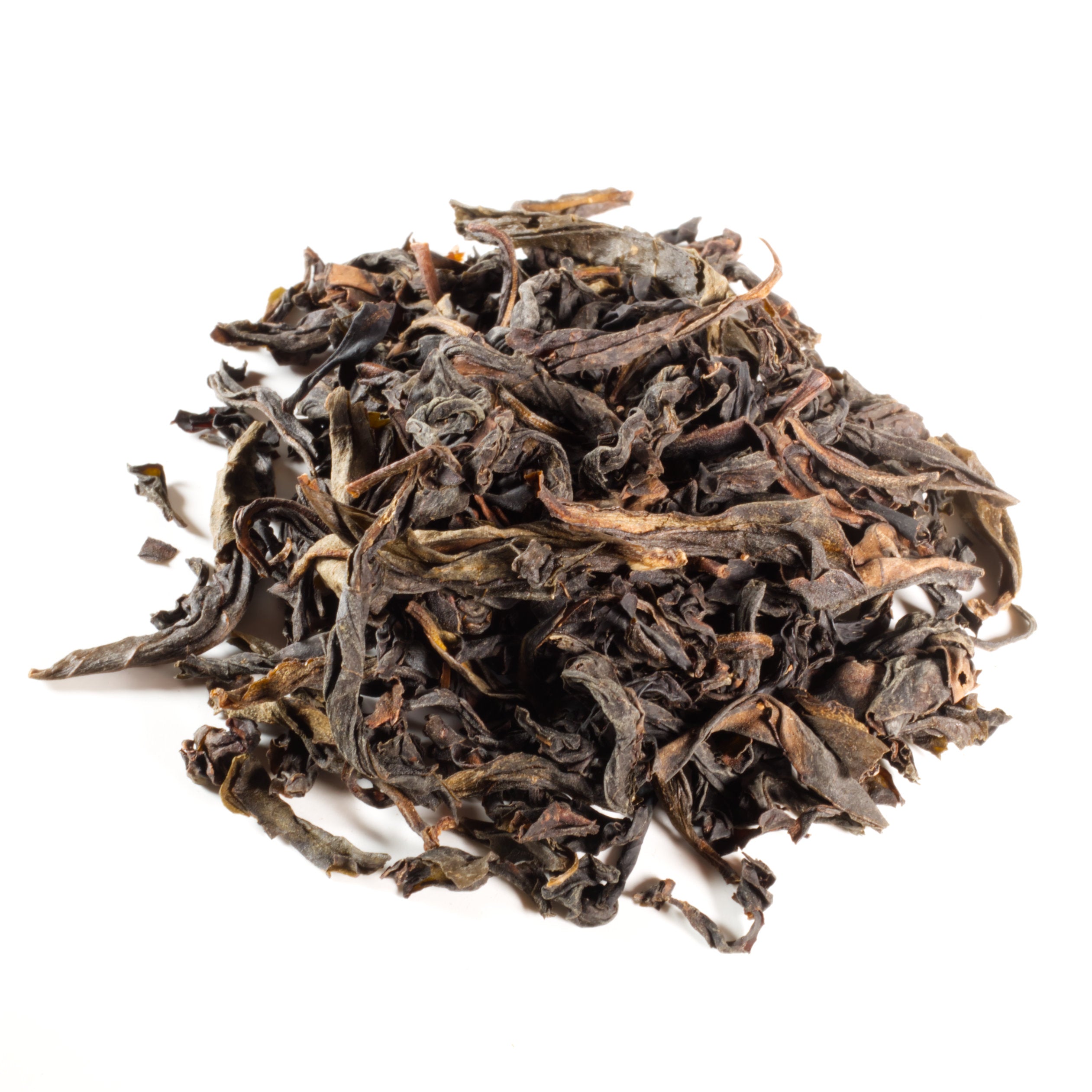
Jade Oolong comes from Hubei Province and follows the classic Tie Guan Yin style—what most people picture when they think "oolong." Grown in the mountains, it has a beautiful green color and a forceful presence without being aggressive. Complex with just a little woodiness. This is the benchmark oolong, the one that works for regular drinking and special occasions alike. Customers who typically drink black tea report being surprised by how much they enjoy it.
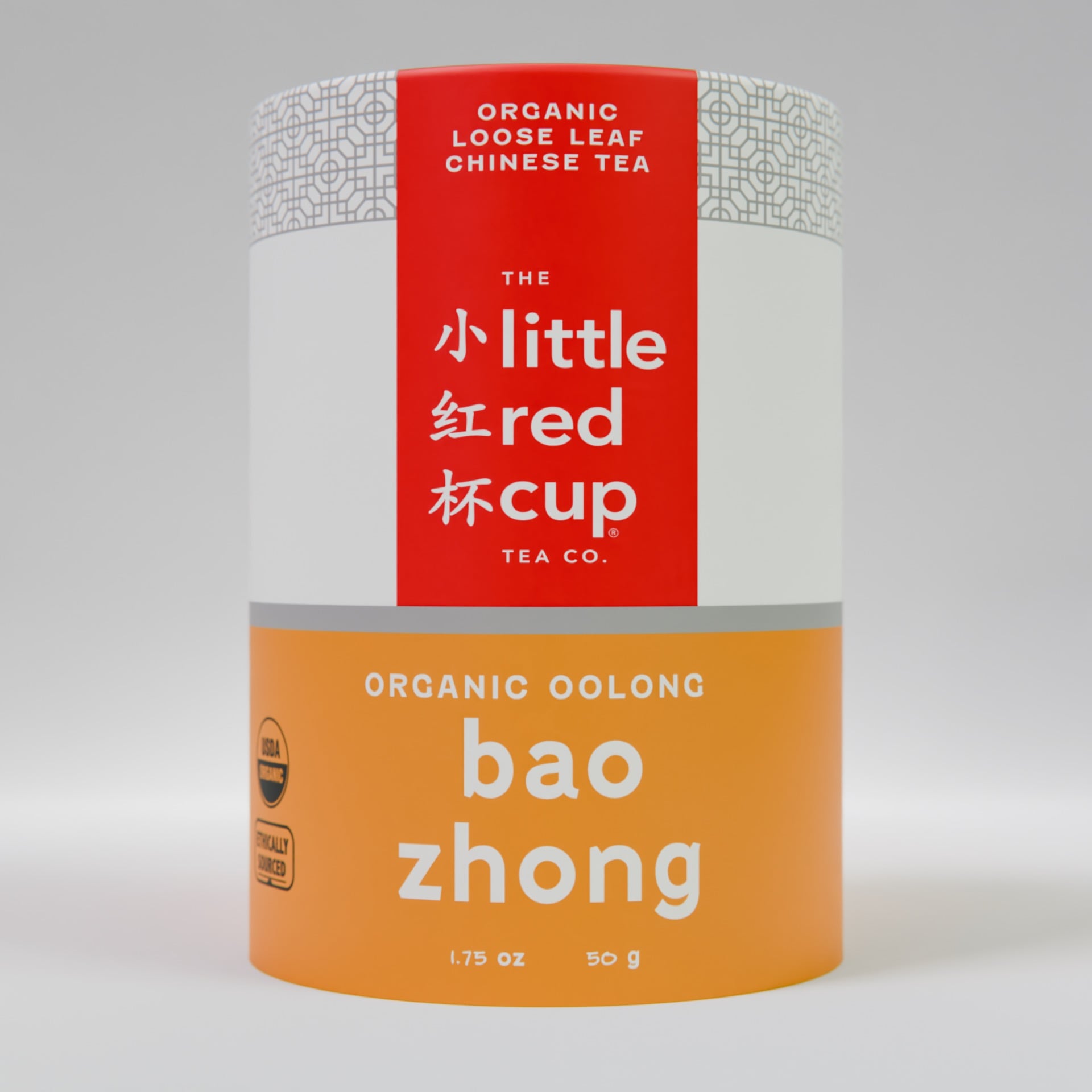
Bao Zhong is lighter still—only 8-12% oxidized, which puts it on the greener end of the oolong spectrum. From Fujian Province, it brews crisp with a buzzy mouthfeel and notes of watercress, apple blossom, and sherbet. The name comes from an old technique of wrapping the leaves in paper during processing (bao means "to wrap"). That process has changed, but the fresh, quaffable character remains.
Darker Oolongs: Da Hong Pao and Qi Lan
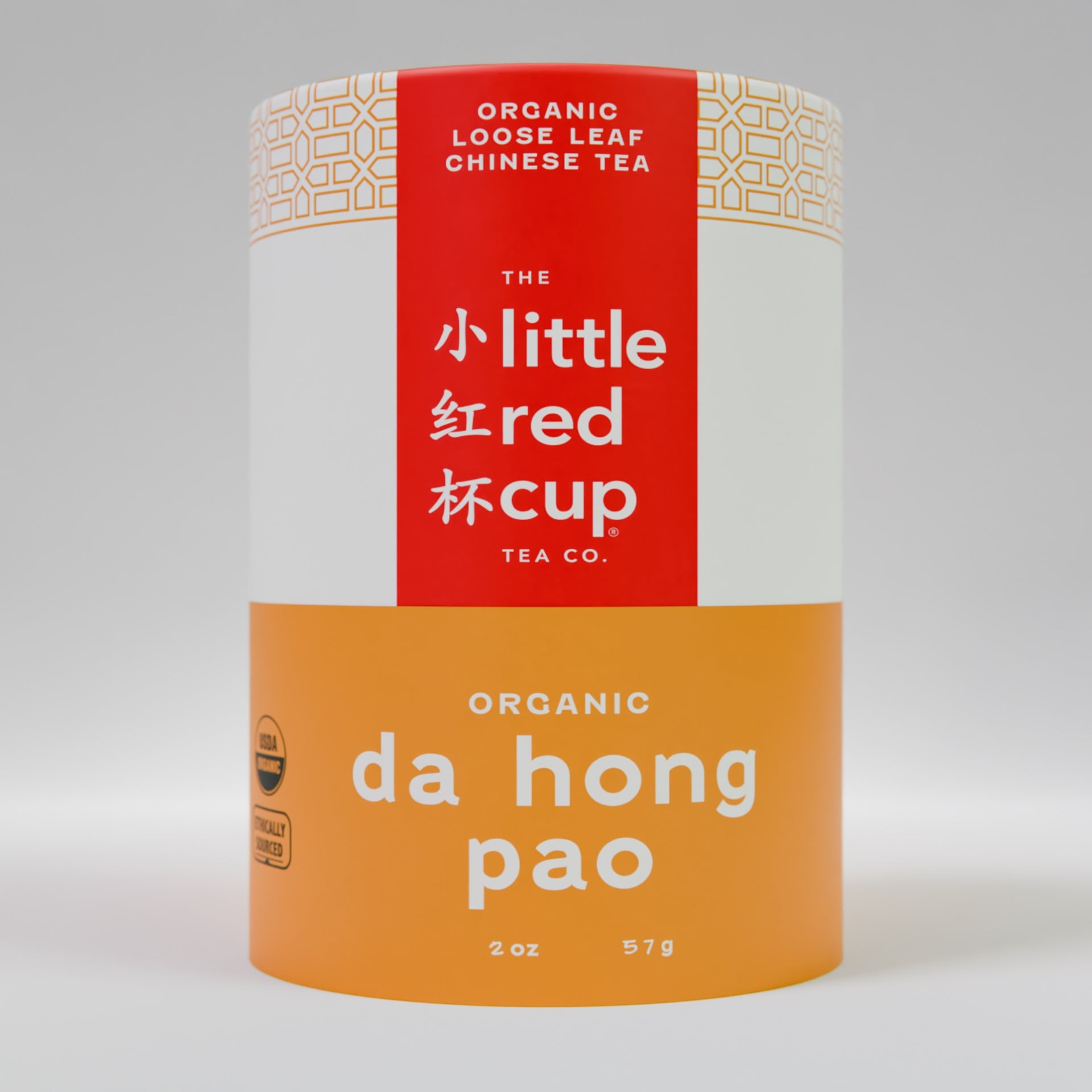
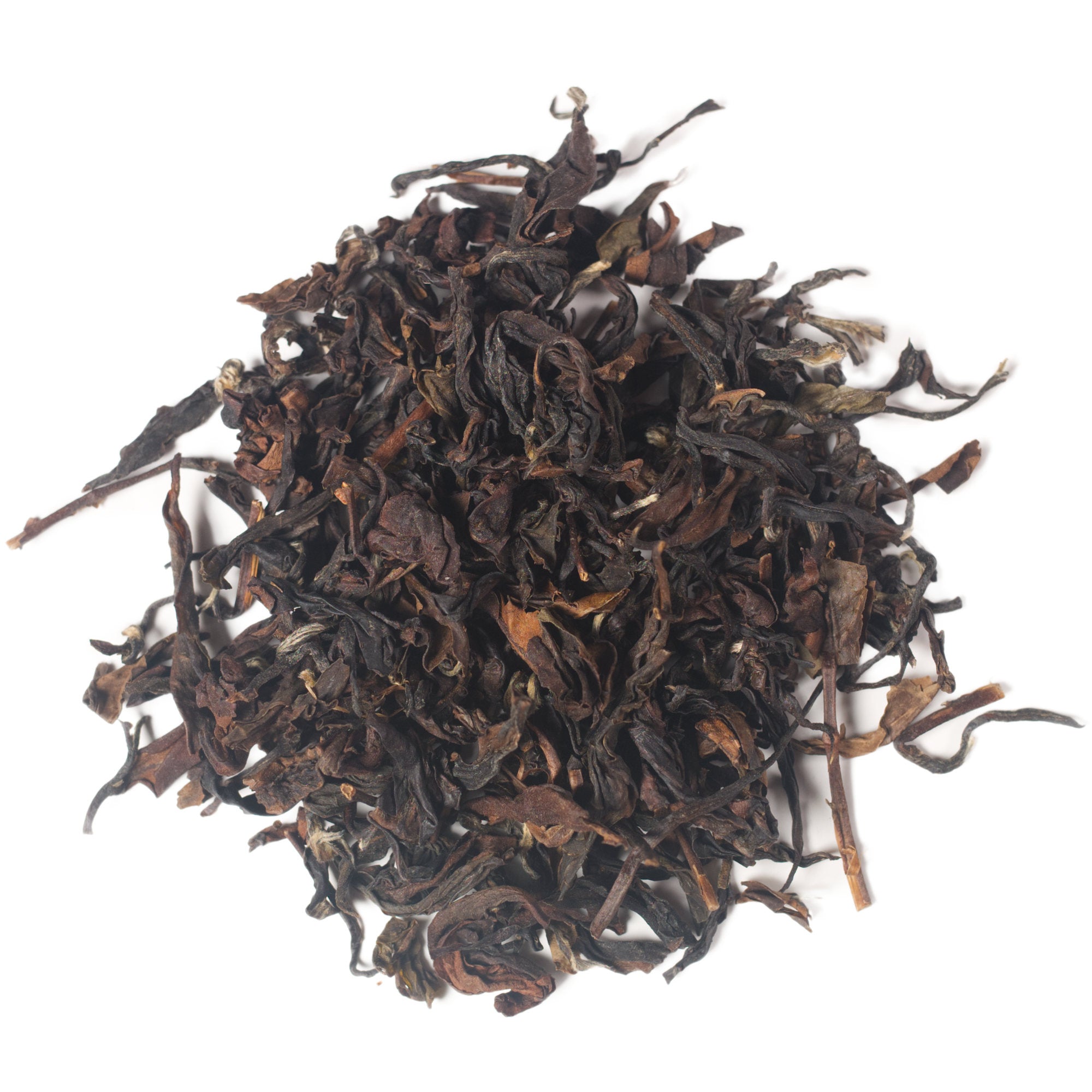
Da Hong Pao is a rock tea from Enshi Prefecture in Hubei—almost fully oxidized, brewing a deep mahogany red. It took us nearly ten years to find an organic version that met our standards. Notes of cinnamon, plums, and caramel. Robust but smooth, with no bitter edge. Think of it as the entry point to darker oolongs—instantly likable, easy to brew.
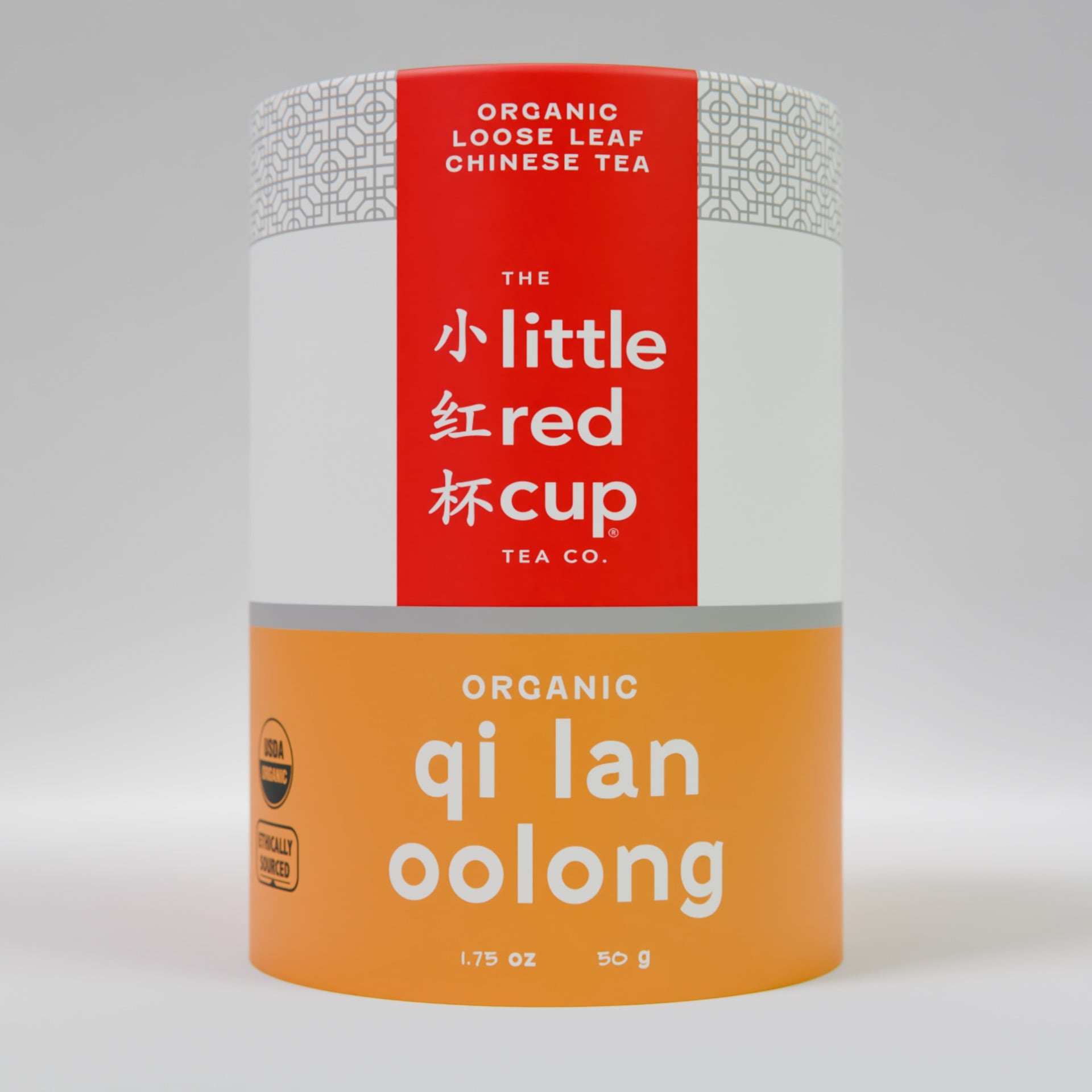
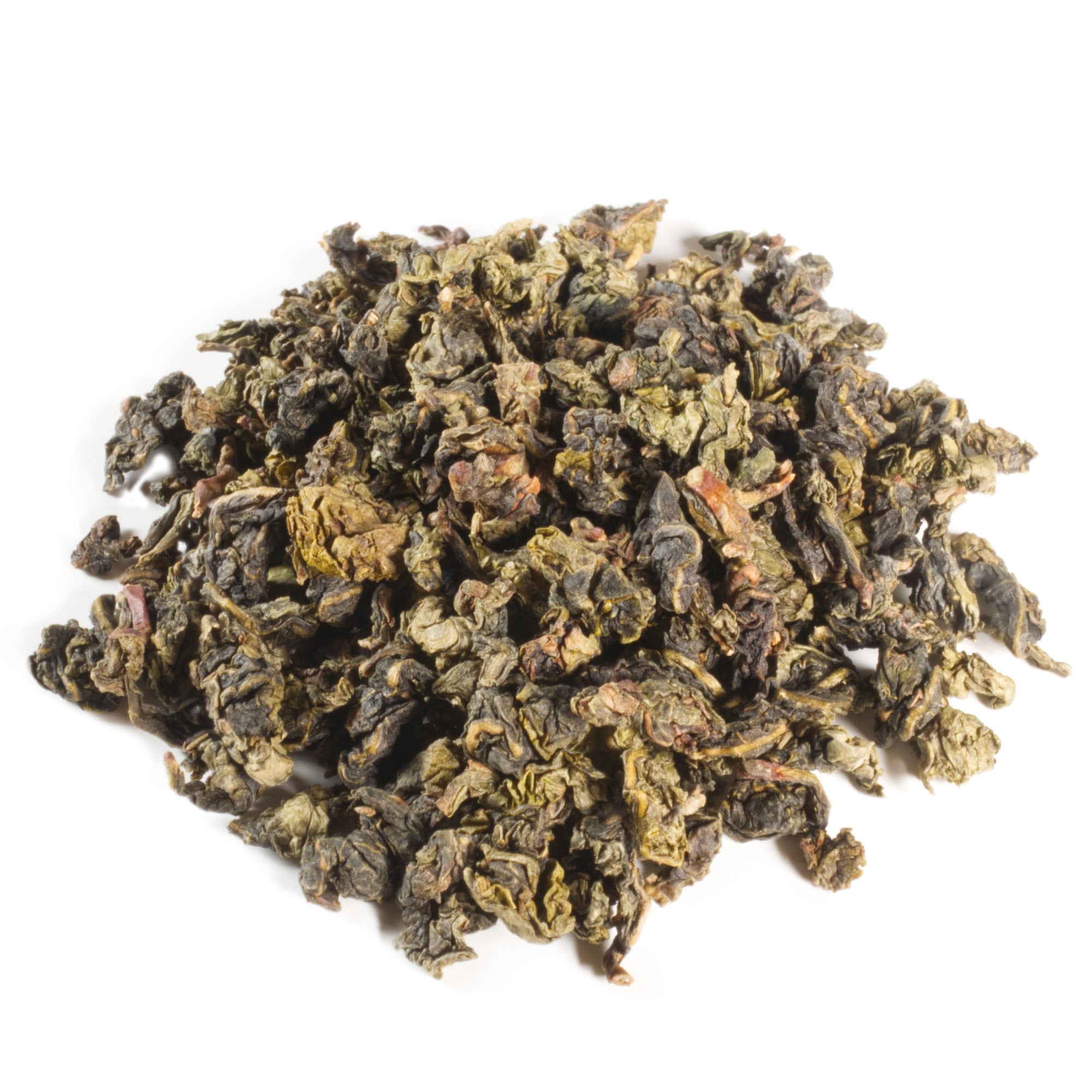
Qi Lan is another rock oolong from the Wuyi mountains, a special lot we've recently added to the collection. Like Da Hong Pao, it comes from Fujian's mountainous regions and brings the mineral backbone characteristic of rock teas.
What to Try First
If you're new to oolong: Jade Oolong is the safe bet—classic, approachable, complex enough to keep things interesting.
If you want something lighter and refreshing: Bao Zhong brings crisp brightness with subtle sweetness.
If you typically drink black tea: Da Hong Pao has the body and depth you're used to, just with more complexity across multiple steepings.
If you're ready to explore rock teas: Try both Da Hong Pao and Qi Lan to compare how different Wuyi rock oolongs express terroir.