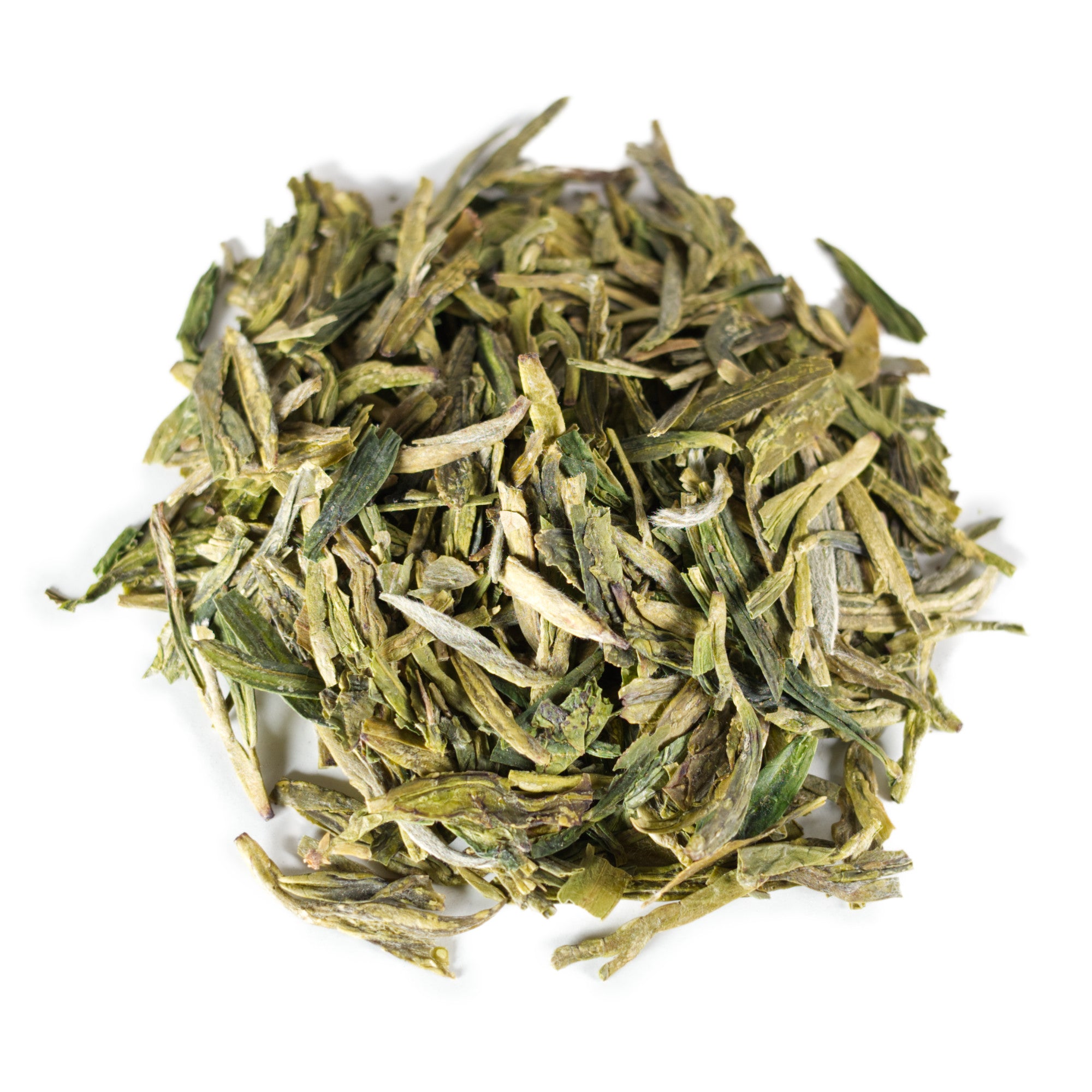
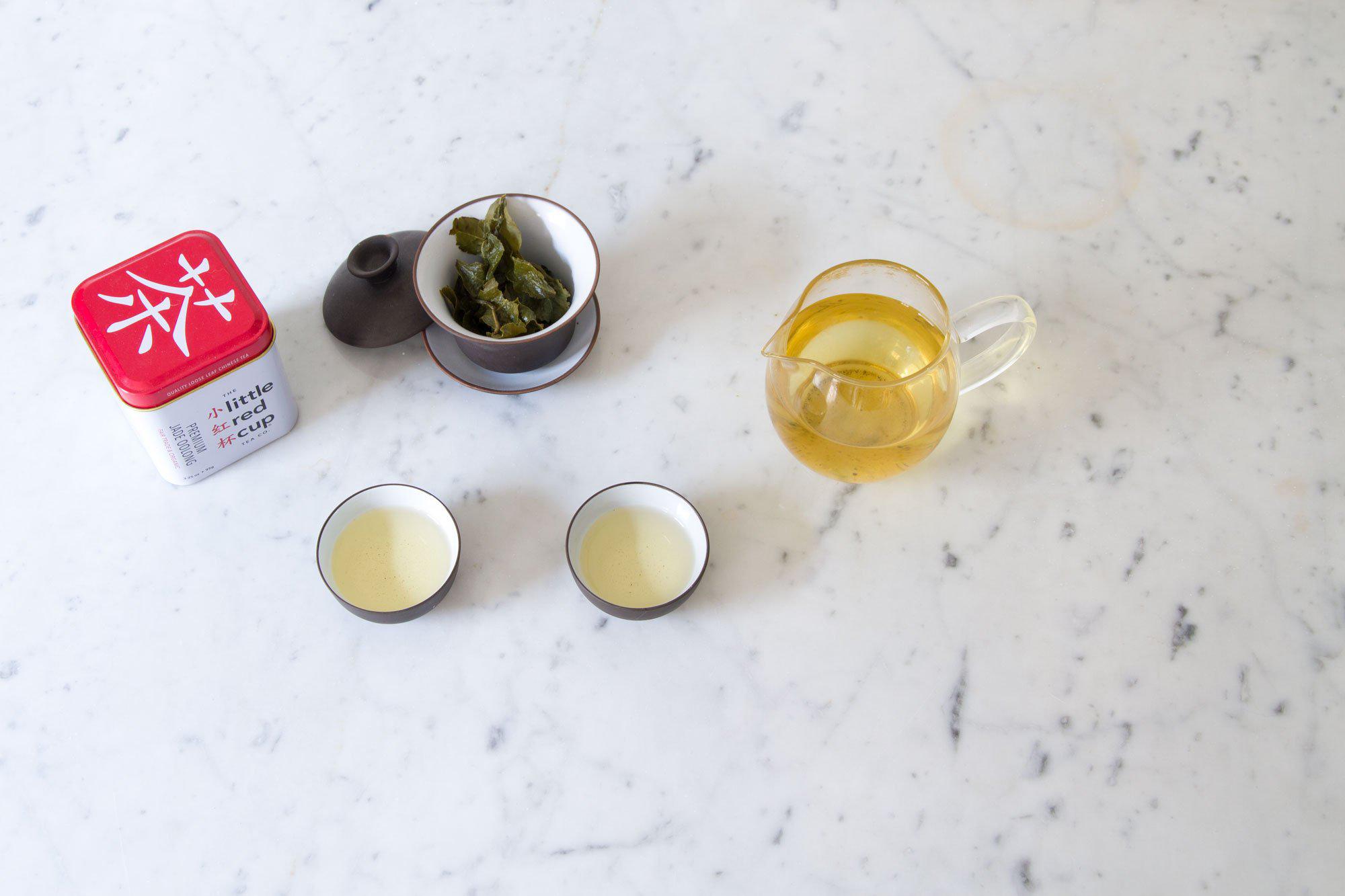
Dragon Well, Longjing (龙井茶), is one of China's most storied green teas, historically centered around the hills of Xihu (West Lake) in Hangzhou, Zhejiang Province. The flat, sword-shaped leaves, the characteristic pan-fired toastiness, the sweet chestnut notes — these are what put Dragon Well on the official list of China's Ten Famous Teas and made it the tea associated with emperors and court culture for centuries.
Our lot isn't from Hangzhou. It's Longjing #43 varietal grown in organic gardens in Hubei and processed using the same Zhejiang hand-firing tradition — hand picked, hand roasted, same flat leaf shape and the same characteristic flavor. The #43 cultivar is prized for early budding, concentrated sweetness, and strong aroma. What it produces in the cup: light and sweet with a toasted nuttiness, a slight umami undertone that emerges more clearly at around 175°F, and a sweet finish that lingers.
Jim was skeptical when he smelled the dry leaves, "it smelled grassy and I was concerned about the taste", and then: "WOW it tasted great." Colleen described it as "wonderfully sweet, light and stays with you. I wanted another cup as soon as I finished the first." Mark, who had waited years to find a good organic Dragon Well, called this one "utterly beautiful."
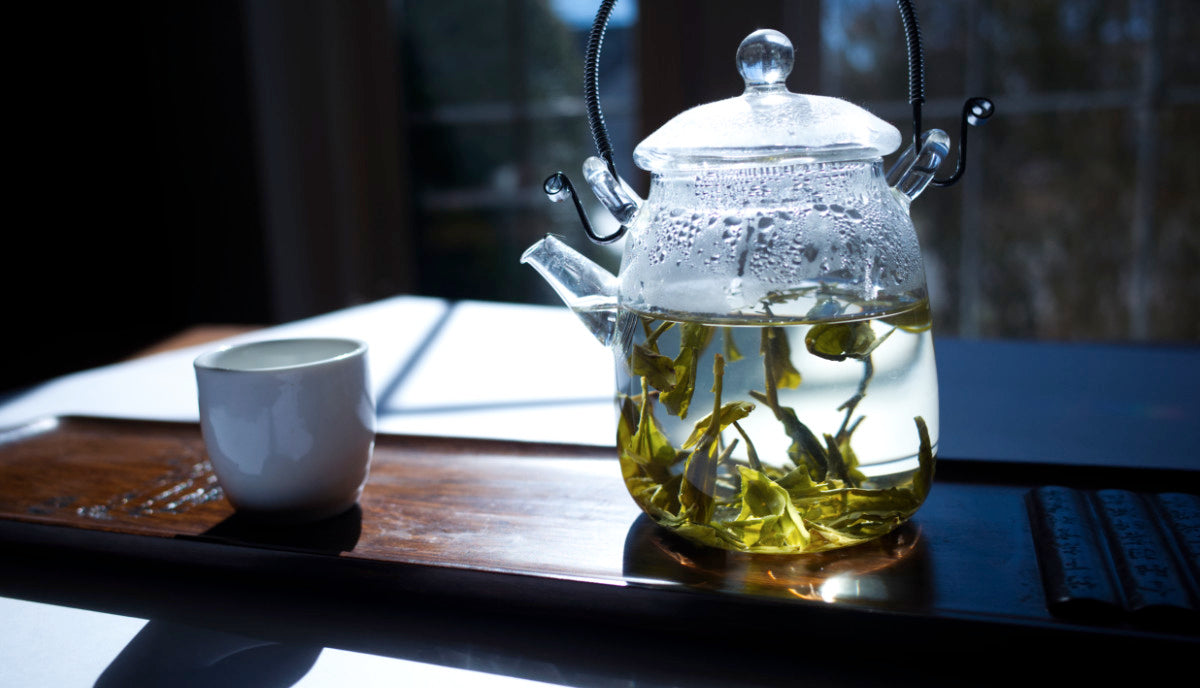
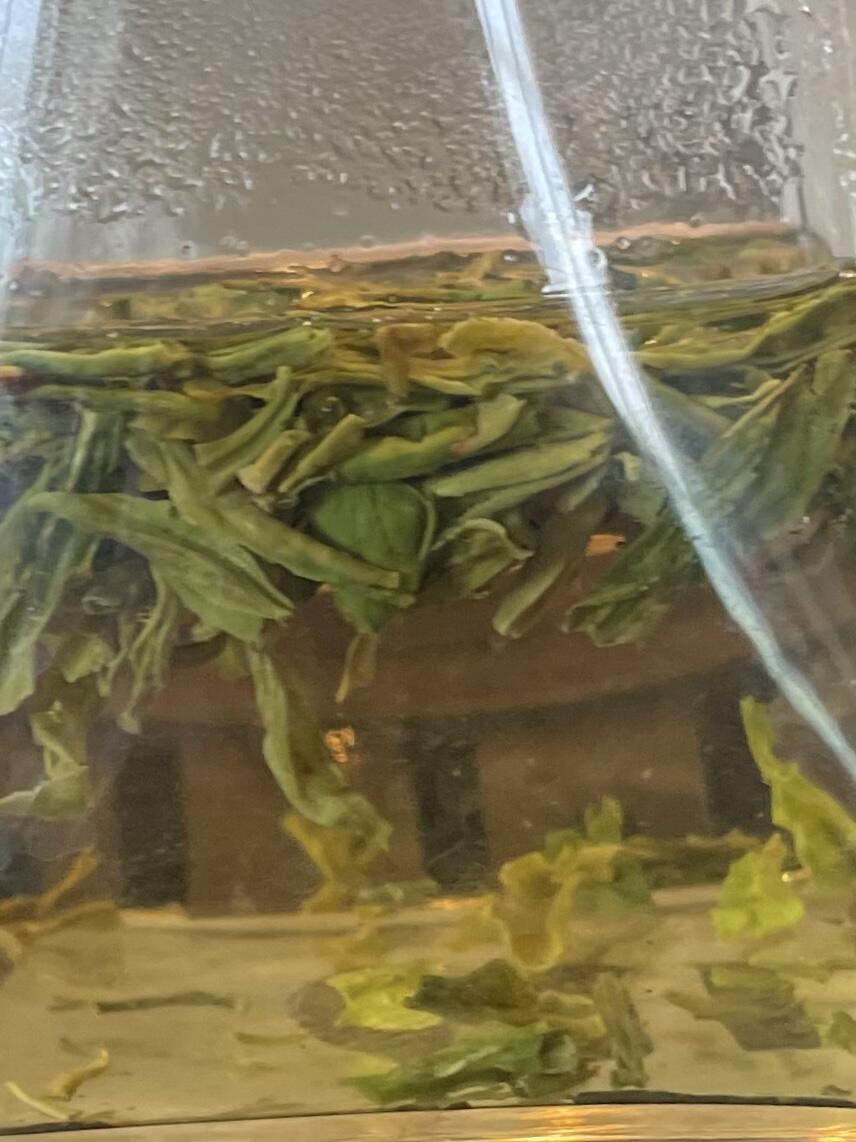
Brewing: 180°F water, 2 minutes, 3 teaspoons (2.5g) per 8 oz cup. For more pronounced umami, try 175°F. Good for 2–3 infusions. Lanse finds it holds up to "many steeps."
Sourcing: Hubei Province, China. USDA Organic. Longjing #43 cultivar. Hand picked and hand roasted. Special Lot — excluded from promotions.
What does Dragon Well tea taste like?
Sweet and toasty, with nutty notes of roasted chestnut and hazelnut, a light umami depth, and a long sweet aftertaste. Phil: "Sweet, toasty, and delicate. Absolutely delicious — I could sip this tea all day." Louis: "Sweet and toasty with the slightest hint of umami that comes out more around 175°F. Stimulating and lucid."
Is this a "real" Dragon Well or a style-based version?
Longjing is historically associated with Xihu (West Lake) in Hangzhou, Zhejiang Province — that's the protected origin. "West Lake Longjing" is a tightly bounded designation. Our lot is Longjing #43 varietal grown in Hubei and processed in traditional Zhejiang style. Xinshi, who grew up drinking Dragon Well in Shanghai, confirmed the quality is genuine. Mike puts it plainly: "almost as good as a visit to the original Dragon Well in Hangzhou."
What is Longjing #43?
A premium cultivar bred specifically for Dragon Well production — earlier budding than traditional varieties, concentrated natural sweetness, strong aroma, and the compact, robust buds that produce the characteristic flat, sword-shaped leaves after hand-firing. The first harvest of spring goes into teas like this one.
How do I brew Dragon Well?
180°F water (about 60 seconds off a full boil), 2 minutes, 3 teaspoons per 8 oz cup. For more umami, dial down to 175°F. You can also try the traditional "grandpa style" — leaves directly in the cup, add water, drink. The leaves are forgiving.
How much caffeine does Dragon Well have?
Around 25–30mg per 8 oz cup — standard for a Chinese green tea. Enough for a solid morning or afternoon; not enough to cause jitters.