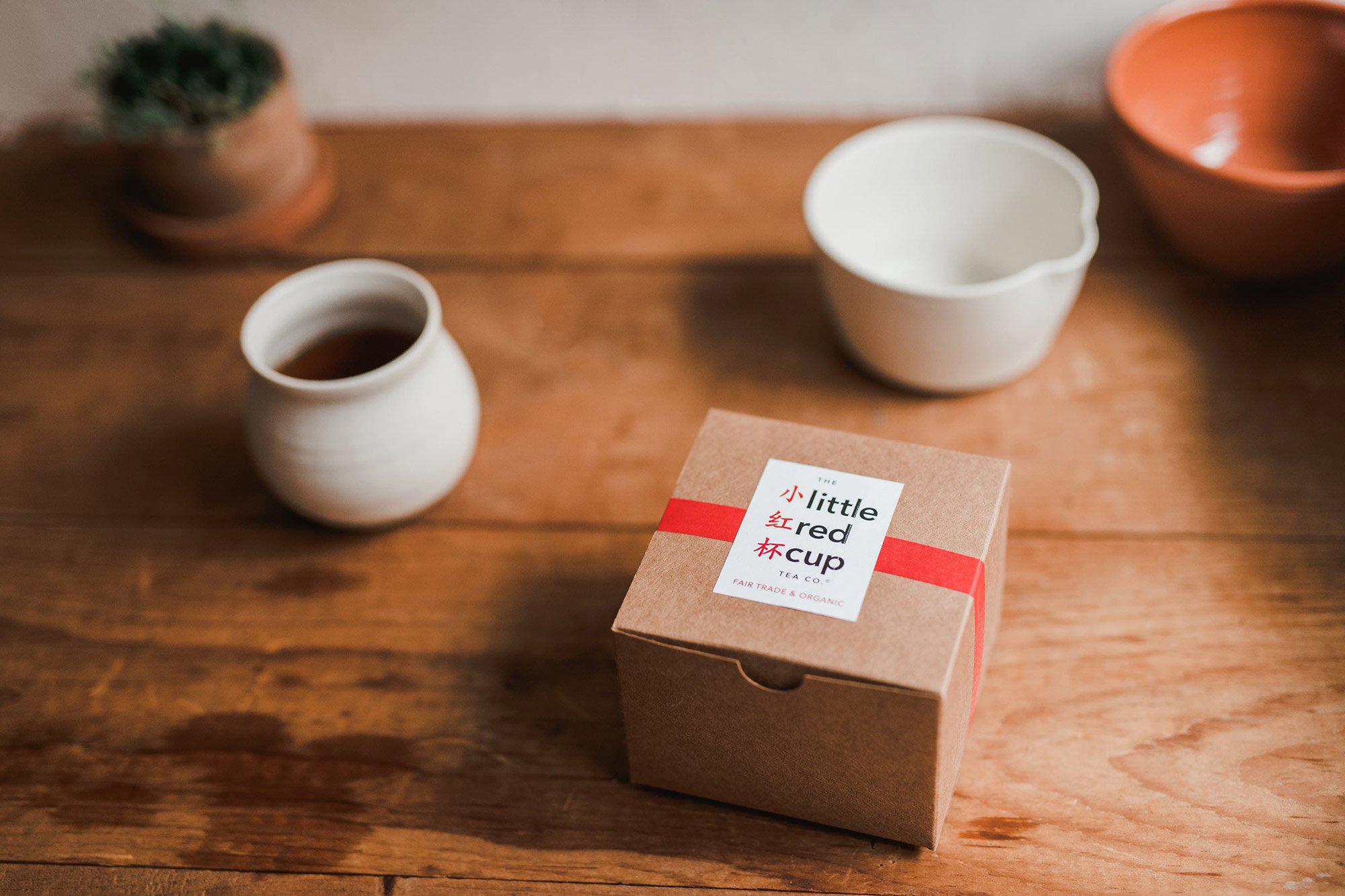
In 1385, a scholar named Ju Zi Ding was traveling to sit the imperial civil service exams when illness stopped him near a Buddhist temple in the Wuyi Mountains. A monk brewed him tea from a small stand of bushes on the cliffside. He recovered, continued on, and placed first. When asked how to repay the monastery, he requested that his imperial scarlet robe be draped over the bushes that had saved him. The name stuck: 大红袍 — Big Red Robe. Those original six bushes still exist, protected as a national treasure, with tea that has sold at auction for over a million dollars per kilogram.
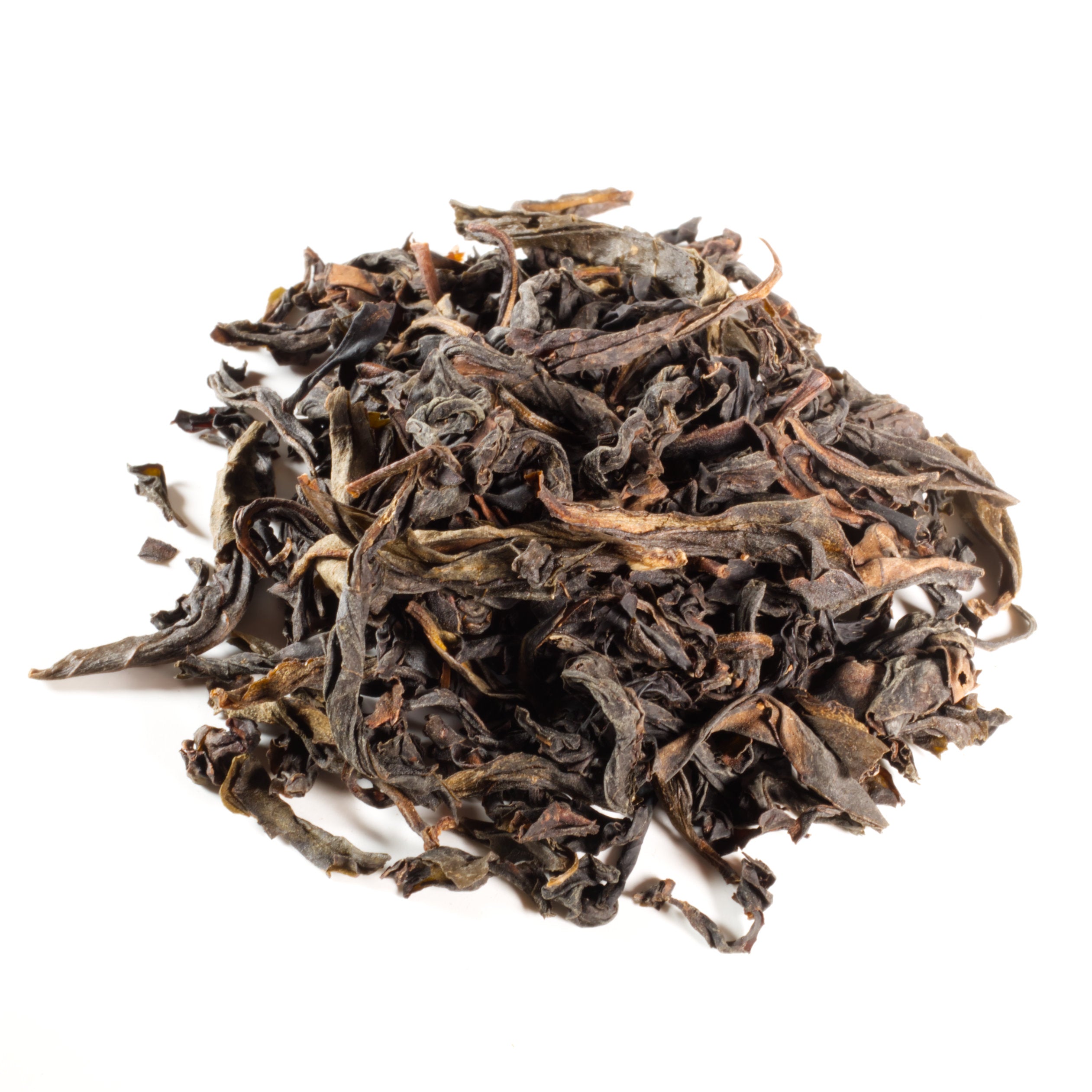
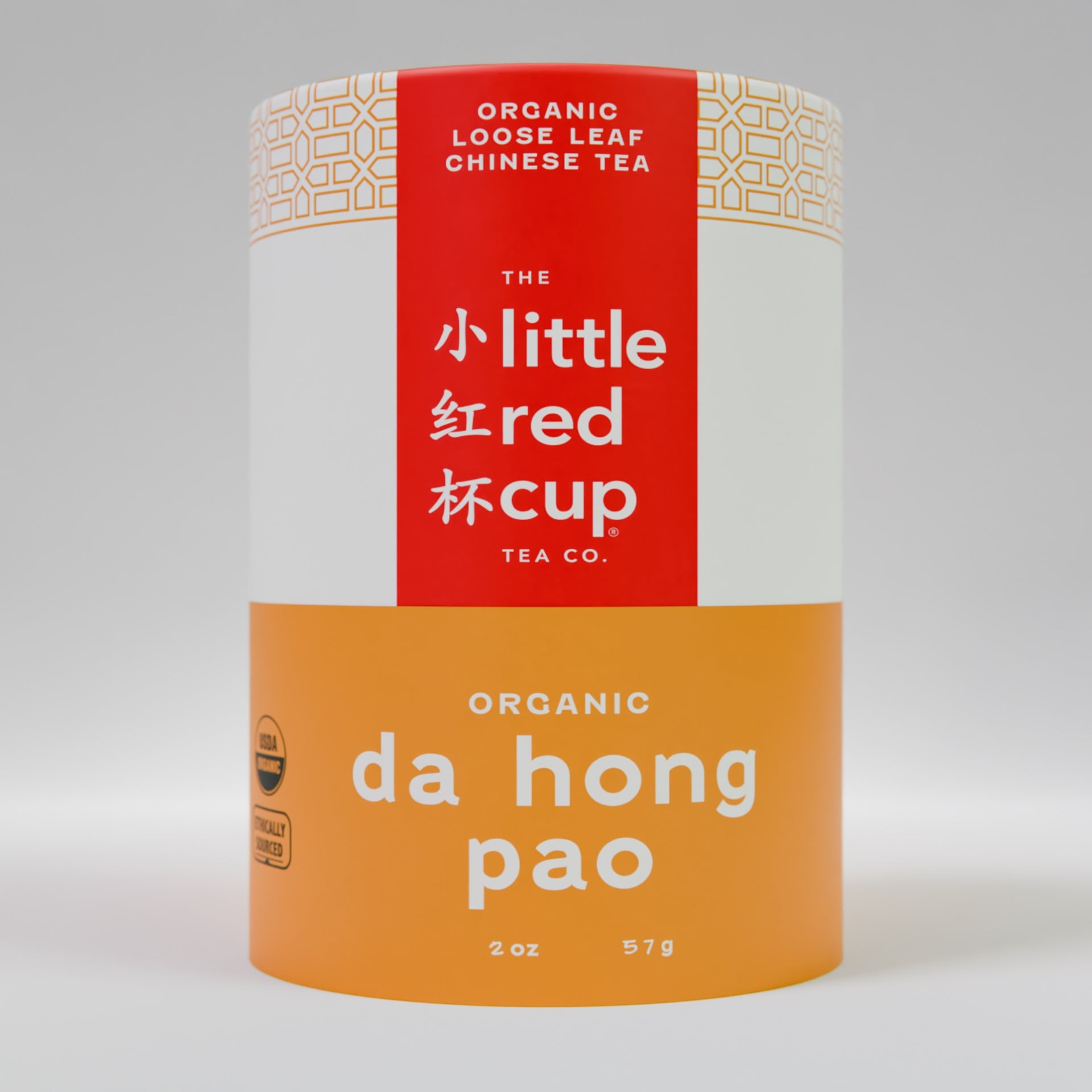
Our Da Hong Pao isn't from those bushes. It's grown in Enshi Prefecture, Hubei Province — the same mountain-and-rock tradition, a different mountain — by a worker-owned cooperative we've worked with directly for years. Same heavily oxidized, charcoal-roasted style; the same mineral, warm depth the Chinese call yan yun, "rock rhyme." Just not in a museum. We think it belongs in a canister on your counter.
Brewing: 210°F, 4 minutes, 2 teaspoons (4g) per 8 oz cup. Pour off the first short steep as a rinse to open the leaves. After that, you'll get four or five solid infusions — many people brew through the whole morning on one measure. The leaves are forgiving; a few extra minutes won't turn this bitter.
Certifications: USDA Organic, MOFGA Organic. Grown without synthetic pesticides or herbicides. The co-op structure means the people who grew your tea share in what it earns.
What does Da Hong Pao taste like?
Deep and warm — caramelized sugar, plum, cinnamon, and a mineral finish that lingers. One customer called it "woodsmoke and deep forests in the rain." Others pick up cocoa, chestnuts, honey. Smooth and clean, no bitterness even when steeped long.
Is this a good daily tea or more of a special occasion tea?
Daily — that's exactly what we source it for. It's robust enough to replace a morning coffee and forgiving enough to brew at a desk without fussing over timing. Renee called it "smooth and great tasting no matter how short or long you steep it," which is the whole pitch.
How much caffeine is in Da Hong Pao?
Roughly 40–50mg per 8 oz cup — about the same as our black teas, and well under a typical coffee. Combined with the L-theanine naturally present in all tea, you get sustained, calm energy rather than a spike and crash.
Can I steep the leaves more than once?
Four or five times is standard for a rock oolong this good. Pour off the first 30-second steep as a rinse, then brew progressively — 4 minutes, then 5, then 6. Many customers work through the same measure all morning.
Is this tea from the Wuyi Mountains?
No, and we're straightforward about that. The original Da Hong Pao mother trees grow in Wuyi, Fujian Province. Our tea is grown in the same style in Enshi, Hubei — organic, worker co-op sourced, and priced to drink every day. Same tradition, different mountain.
What's the difference between Da Hong Pao and a lighter oolong like Jade?
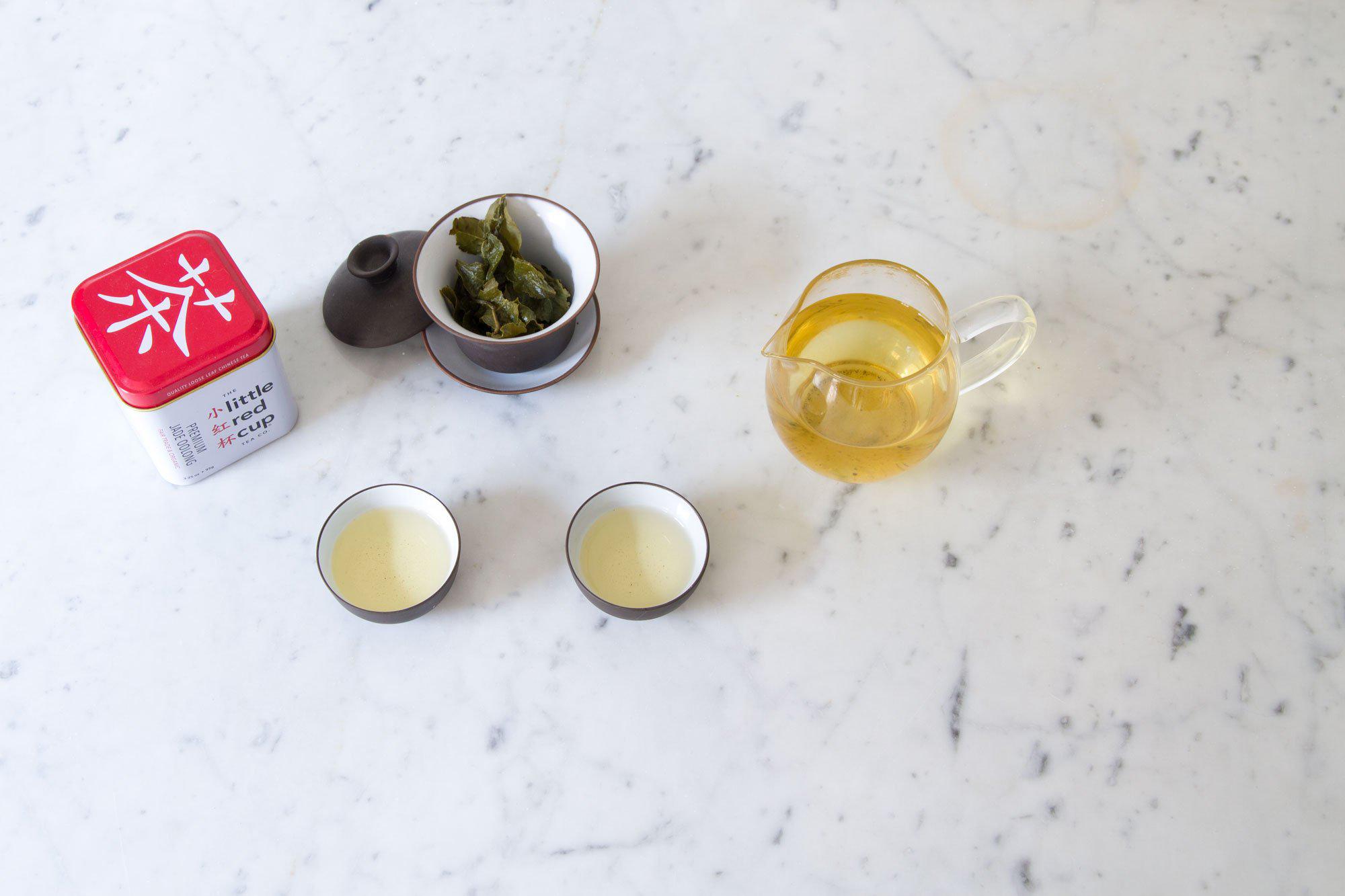
Da Hong Pao is a rock oolong — heavily oxidized and charcoal-roasted, with a distinctive mineral depth. Lighter oolongs like our Jade are closer to green tea: floral, barely roasted, a completely different cup. Think of them as opposite ends of the oolong spectrum.