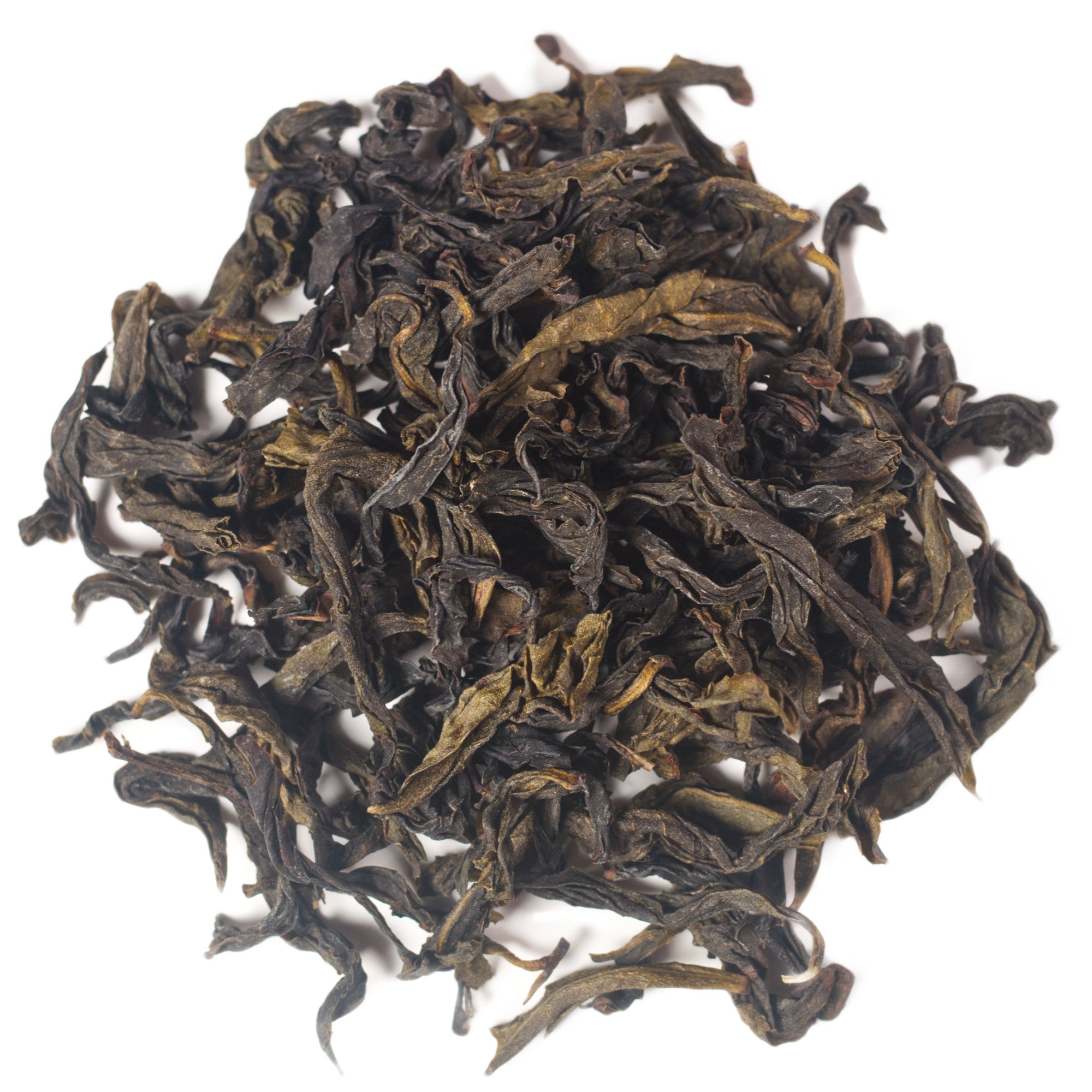
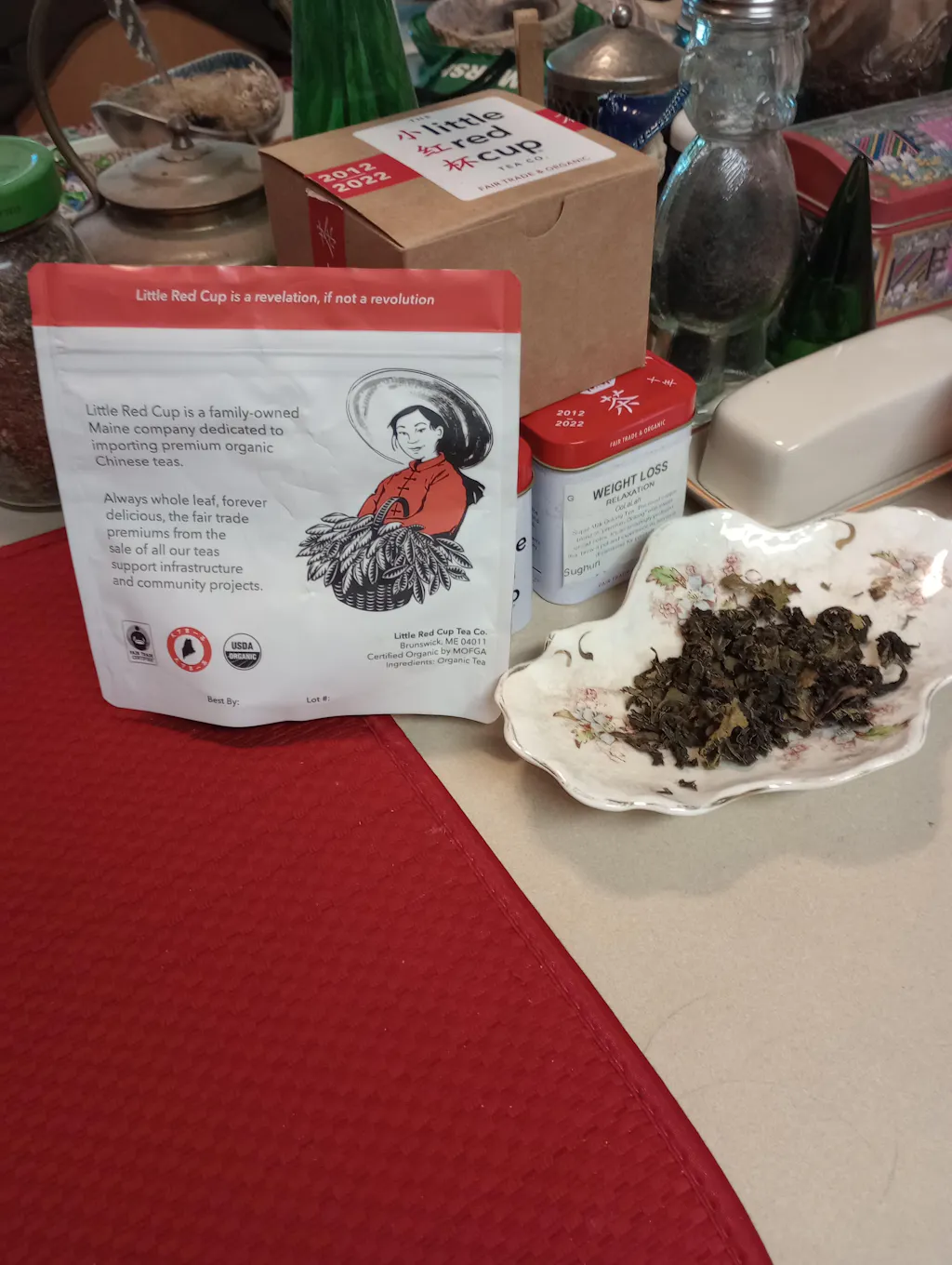
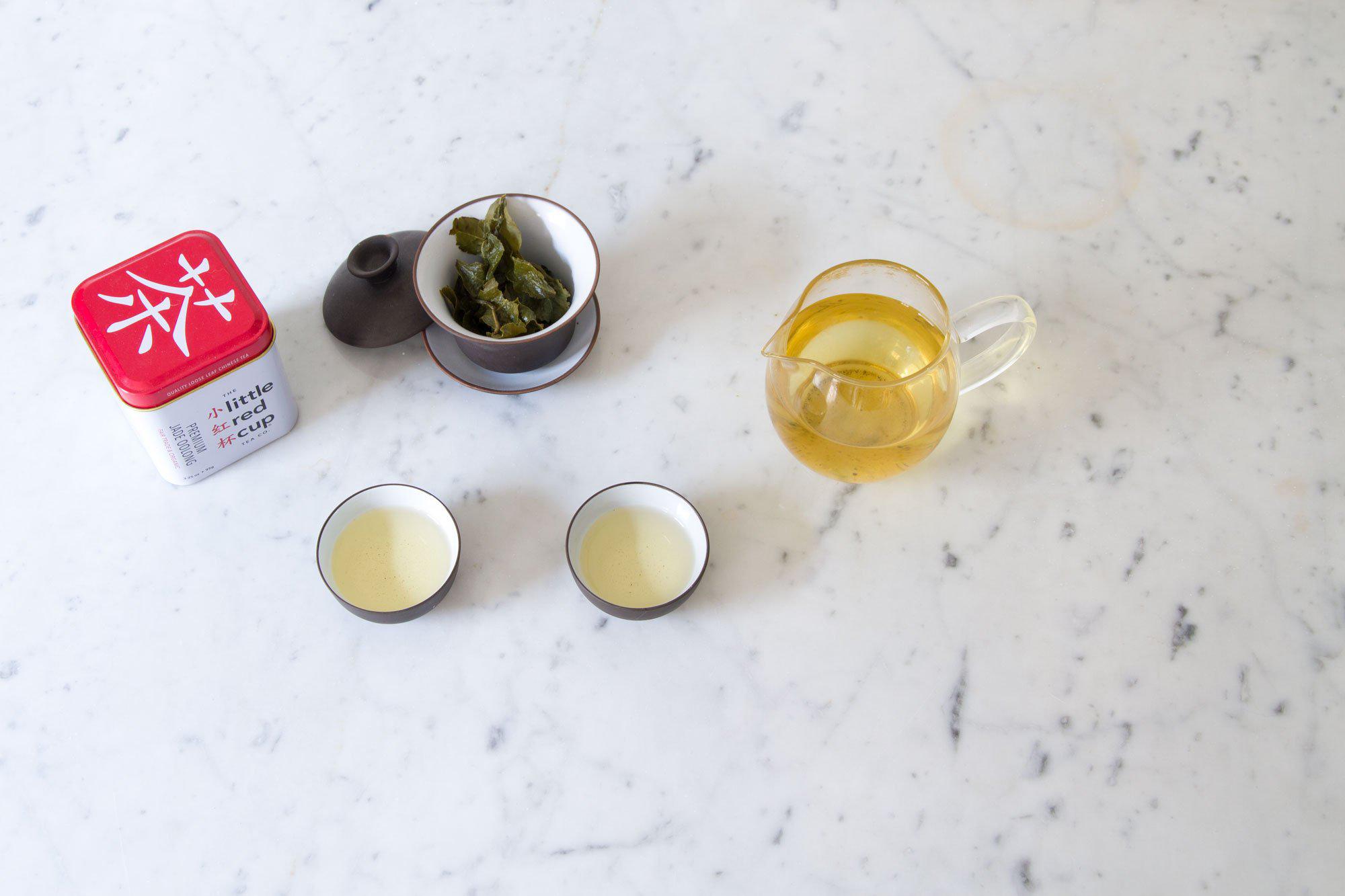
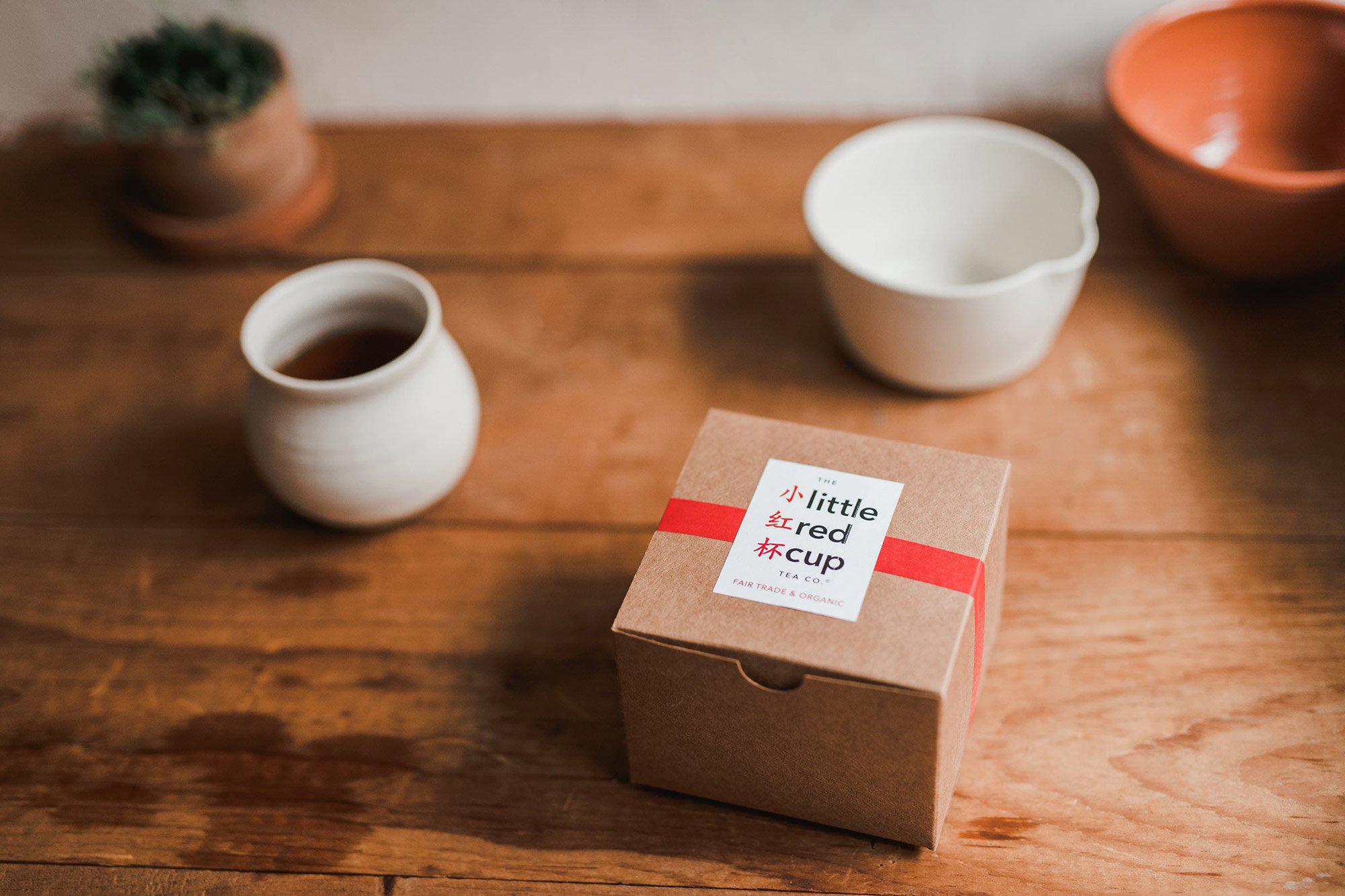
Bao Zhong — also written Pouchong — sits at the green end of the oolong spectrum. 8–12% oxidized, compared to 40–70% for a traditional Taiwanese high mountain oolong or 80%+ for a charcoal-roasted Da Hong Pao. At that oxidation level, the processing is closer to green tea than to oolong in practice, and the cup reflects it: sage green leaves, pale jade liquor, fresh and floral, with the buzzy mouthfeel that's characteristic of the style.
The name comes from an older production method: "bao" means "to wrap," and historically the tea was dried in paper-wrapped bundles. Modern processing has replaced the paper wrapping, but the character hasn't changed. The tea's origin is Fujian Province — Bao Zhong is a Fujian style, though modern specialty markets often associate it with Taiwan's Wenshan/Pinglin region, where it was transplanted in the 19th century and became famous under Taiwanese production. Our lot is from Fujian, the historical home.
What it tastes like: Justin described it as "a delicious fragrant tea — slightly floral, some sweet fruit notes, honeysuckle for sure, a little tartness, refreshing and bright, definitely rejuvenating." Justin (a different Justin, also a fan) found "no bitterness or harsh bite — slightly sweet, subtle floral and apple blossom." Walter drinks it while reading on cloudy afternoons: "refreshing and uplifting."
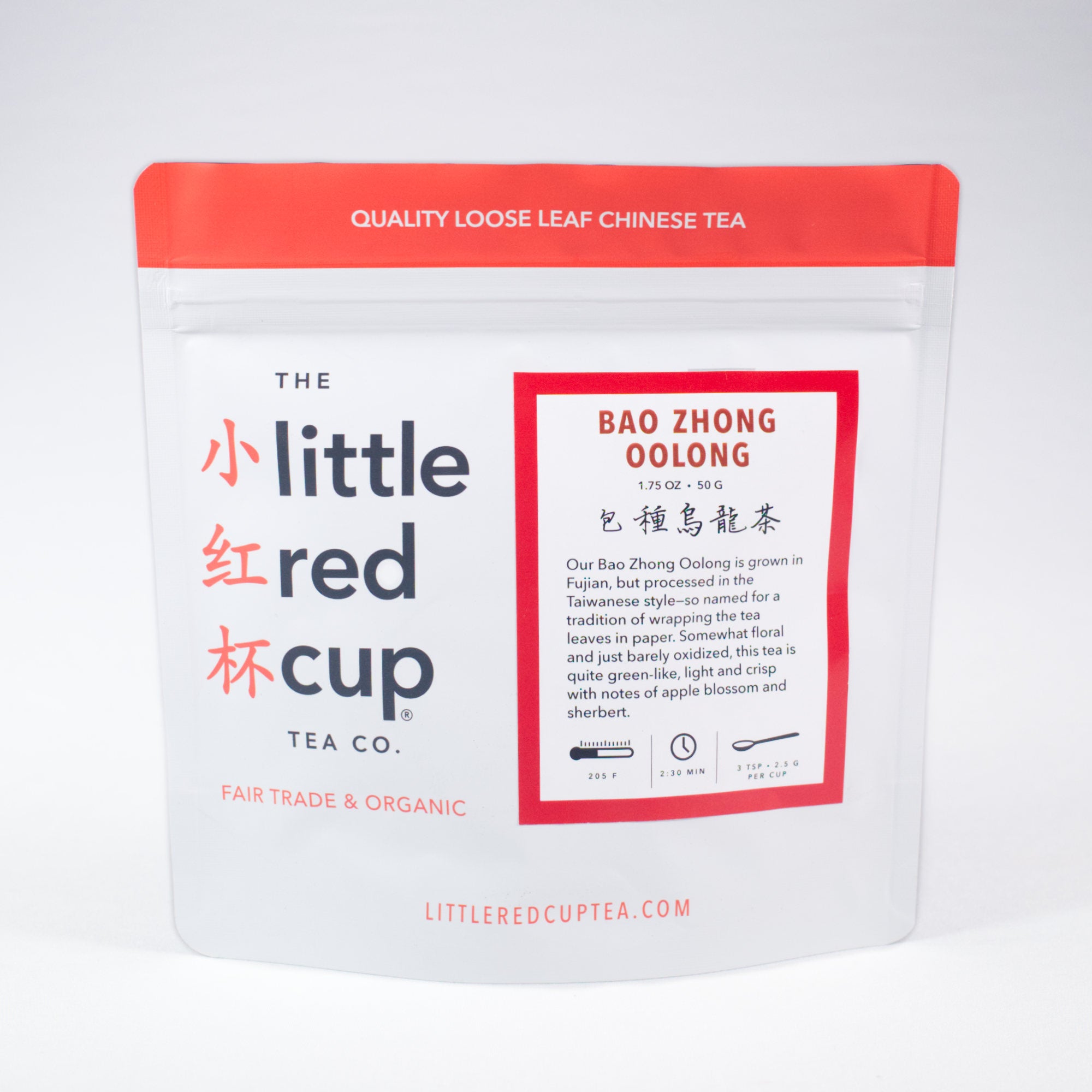
Brewing: 205°F water, 2 minutes 30 seconds, 3 teaspoons (2.5g) per 8 oz cup. Multiple infusions — the flavor develops and shifts across steeps. Re-steeping is not optional, it's the point.
Sourcing: Fujian Province, China. USDA Organic. Special Lot.
What does Bao Zhong taste like?
Crisp and refreshing, with a buzzy mouthfeel and notes of watercress, apple blossom, and sorbet. Floral, slightly sweet, with a bright tartness. Justin: "Honeysuckle for sure, a little tartness — refreshing and bright, definitely rejuvenating." Bailey compared it to genmaicha but "more briny and vegetal with more body."
How is Bao Zhong different from other oolongs?
It's the lightest oolong in the collection — 8–12% oxidized, compared to 40%+ for traditional oolongs and 80%+ for a roasted rock oolong like Da Hong Pao. The processing is closer to green tea than to most oolongs. The cup is bright, fresh, and floral rather than rich, nutty, or roasted. bg, who sampled all the oolongs, chose Bao Zhong and Jade as favorites. If you're familiar with green tea and want to explore oolongs, this is the natural starting point.
Is this a Taiwanese or a Chinese oolong?
Fujian is the historical home of Bao Zhong — this is a Fujian-sourced lot. The style was later transplanted to Taiwan's Wenshan/Pinglin region, where it became famous under Taiwanese production. Both Fujian and Taiwan produce the style. Our lot is from Fujian, the older of the two traditions.
How many re-steeps will I get?
Several good ones. The sage green leaves unfurl across steeps and the flavor shifts — later steeps can develop a smoother, buttery quality. Mike's note in the original copy: "Make sure to re-steep your leaves!" This is genuinely load-bearing advice.
How much caffeine?
Around 20–30mg per 8 oz cup — on the lower end for an oolong, due to the light oxidation. More than a green tea but less than a traditional fully-oxidized oolong. Walter drinks it on afternoon reading sessions; it won't keep you up.